
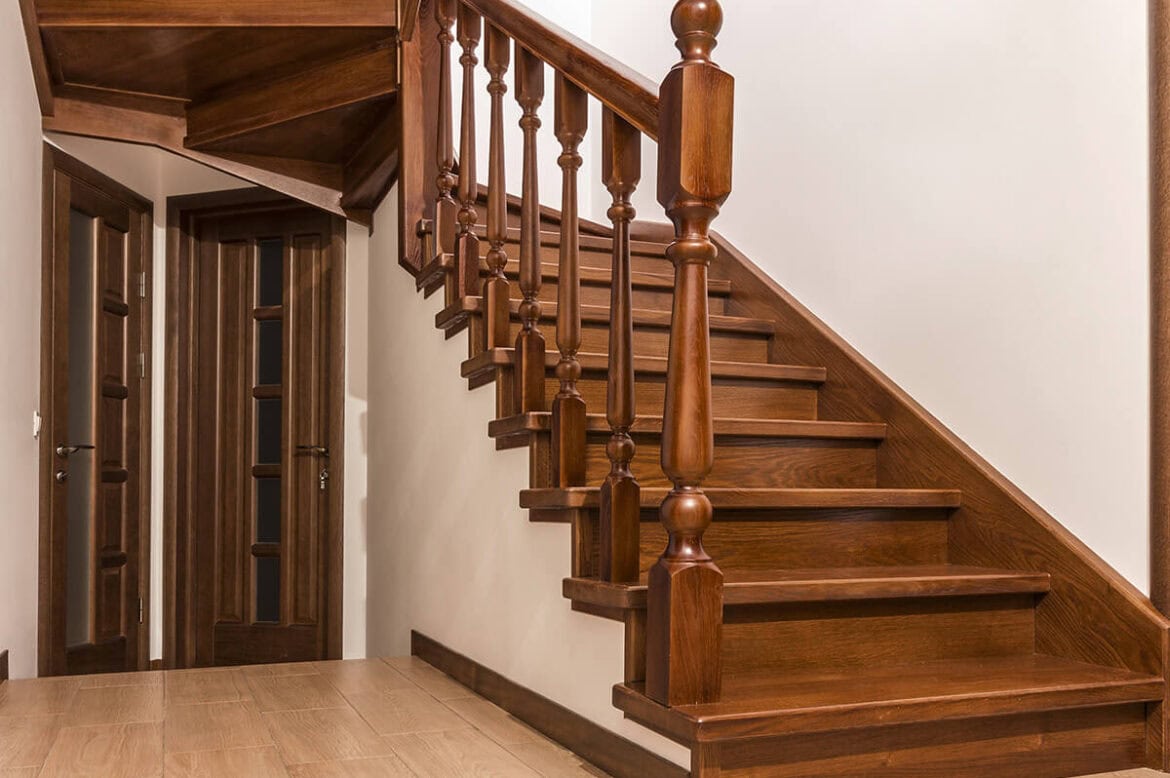
Quick Answer: Hiring professional experts for staircase restoration guarantees a highly structured process involving rigorous dust-containment sanding, precise custom stain application, and multi-coat protective sealing. Homeowners can expect minimal household disruption, transparent daily curing timelines, and decades of durable architectural beauty.
Worn, splintered wooden steps create an immediate household safety hazard and drag down the architectural aesthetic of an entryway. Inviting licensed specialists to restore heavy-traffic timber stairs eliminates the physical toll of manual sanding and chemical stripping.
Certified professional technicians manage every technical variable from initial raw grain levelling to final protective topcoat curing with absolute precision. Uncompromising professional craftsmanship guarantees that high-friction stair steps endure decades of heavy family traffic without peeling, chipping, or premature wear.
Thorough, comprehensive preparation remains the absolute foundation of any successful residential staircase transformation, ensuring long-term structural resilience across heavy multi-level usage throughout the home.
What Happens During the Initial Preparation Phase?
Before a single drop of stain touches the timber, professional teams establish rigid containment barriers to protect adjacent living zones. Preparation lays the structural groundwork for an immaculate finish. Consider these core aspects of the initial workflow:
- Sealing Off Work Zones: Technicians install heavy-duty plastic zipper barriers and dust curtains around the staircase to isolate airborne particles from surrounding rooms effectively.
- Hardware Removal: All old brass stair rods, rusted brackets, and loose runner clips are carefully detached and catalogued before mechanical sanding begins.
- Surface Defect Inspection: Craftsmen examine every riser and tread for protruding nails, deep gouges, or structural splits requiring wood filler reinforcement.
- Dust-Extraction Setup: High-powered industrial vacuum units link directly to sanding hand tools, capturing fine wood dust at the exact source of friction.
- Protective Floor Shielding: Heavy canvas drop cloths protect adjacent hallway flooring from accidental scuffs during equipment transport and staging.
How Does the Multi-Stage Sanding Process Work?
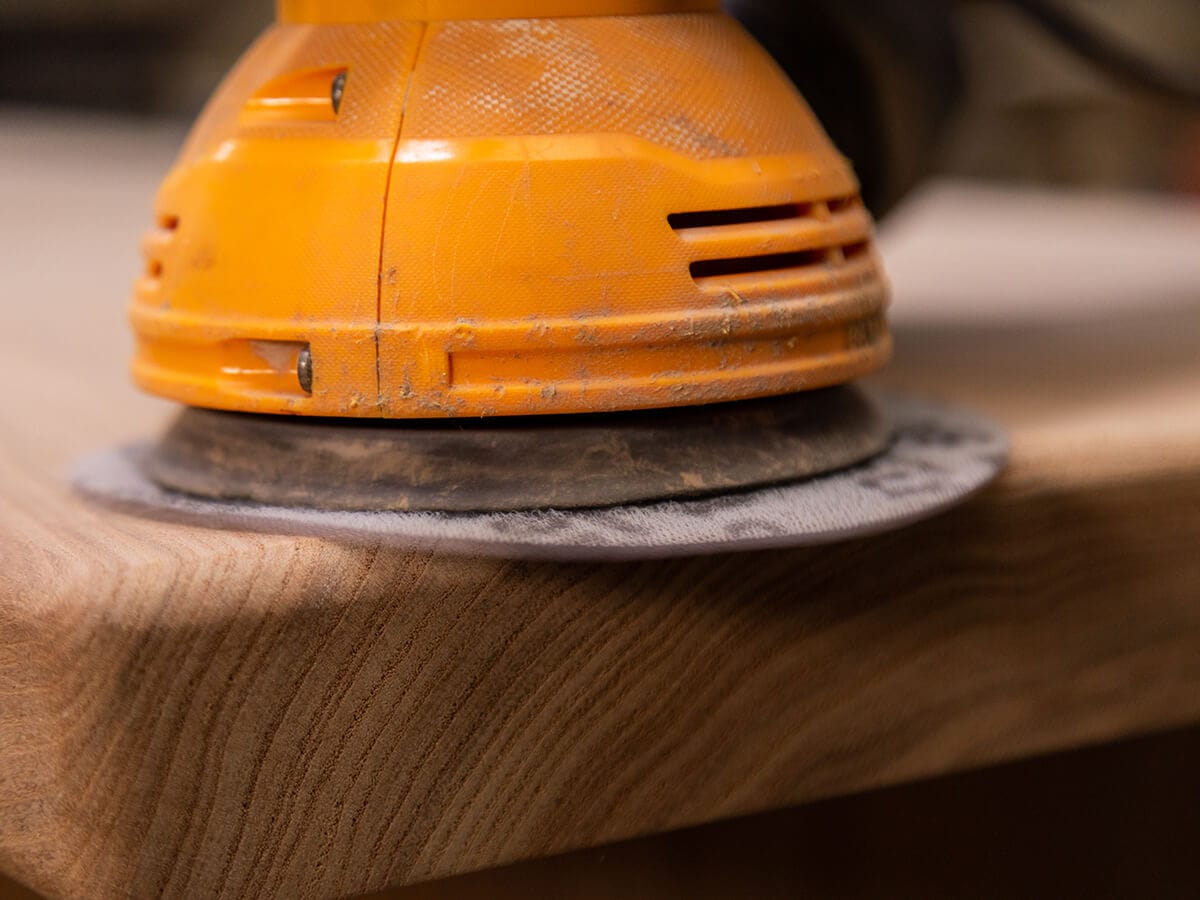
Achieving a uniform, flat surface on vertical risers and horizontal nosings requires specialized detailing equipment that standard flooring sanders cannot accommodate. Keep these mechanical steps in mind:
- Coarse Drum Levelling: Heavy sanding belts strip away yellowed polyurethane coatings and smooth out severe foot traffic craters across flat horizontal steps.
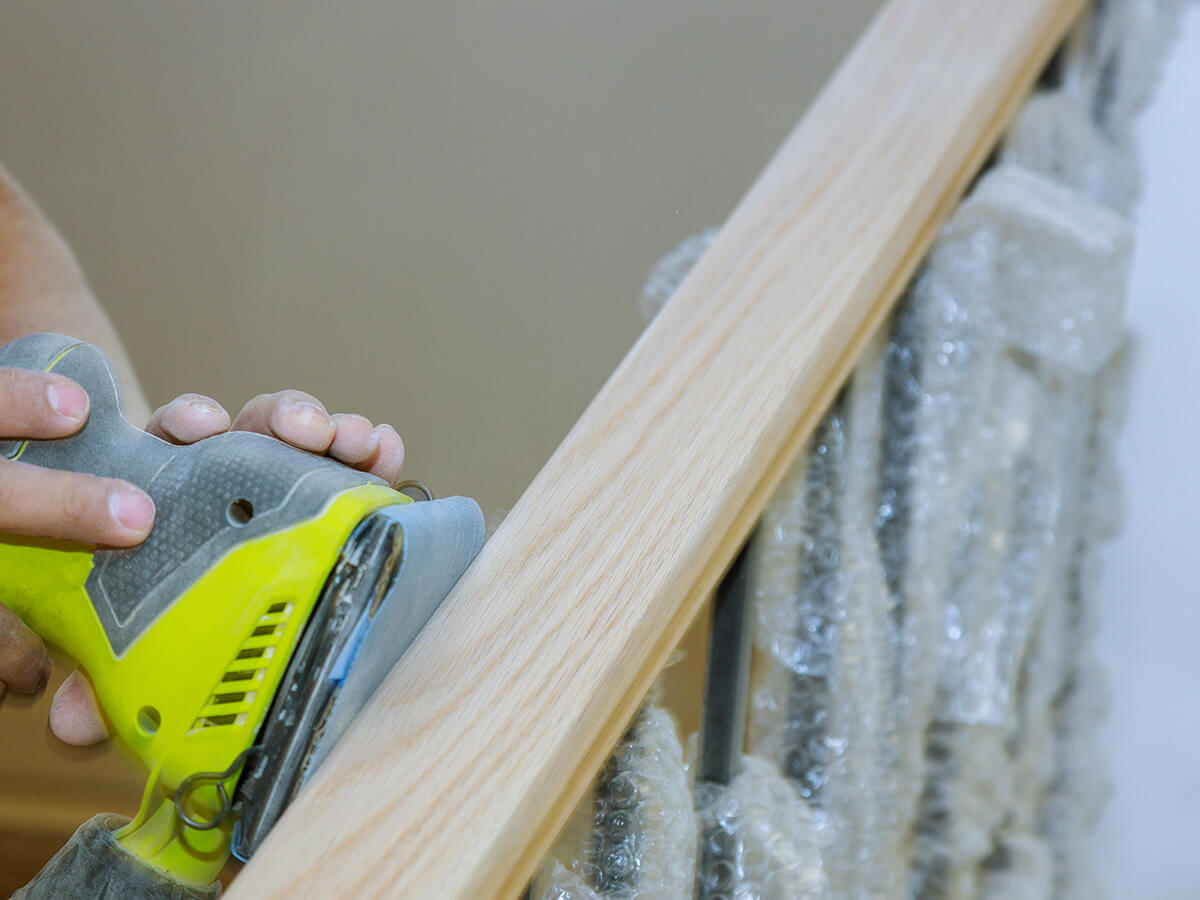
- Detail Edging: Specialized palm sanders and corner attachments clear old finishes trapped tightly against stringer boards and balusters without damaging delicate trimwork.
- Progressive Grit Smoothing: Technicians cycle through increasingly fine sandpaper grits to eliminate cross-grain swirl marks and prepare wood pores for even stain absorption.
- Tack Cloth Debris Removal: Every square centimetre is wiped clean using specialized tacky cloths to lift microscopic dust residue before sealing commences.
- Edge Profiling: Craftsmen hand-check stair nosings to ensure consistent bevelling and smooth tactile transitions across every step edge.
What Involves the Staining and Curing Timeline?
Applying custom liquid colour requires absolute environmental control and precise wiping technique to prevent lap marks and blotching. Review these crucial application milestones:
- Custom Colour Matching: Specialists test bespoke stain blends directly on spare timber or hidden stair sections to confirm perfect coordination with existing home decor.
- Wiping and Buffing: Stains are hand-wiped across each tread to ensure deep pigment penetration without surface pooling or uneven colour shading.
- Multi-Tiered Polyurethane Sealing: Technicians apply multiple heavy-duty, slip-resistant topcoats, allowing mandatory drying intervals between layers for maximum molecular bonding.
- Foot Traffic Restrictions: Light sock-only traffic is generally permitted after twenty-four hours, while full chemical curing requires up to a full week to reach maximum hardness.
- Climate Management: Certified operators monitor indoor relative humidity and ambient temperature to guarantee optimal curing conditions for professional sealers.
How Do Stair Restorations Integrate With Broader Renovations?
Staircase overhauls frequently coincide with whole-home flooring upgrades, creating a cohesive visual flow across multi-level residential layouts. Consider these contextual integration factors:
- Matching Foyer Transitions: Coordinating stair tread stains with adjacent main-level timber creates a seamless architectural bridge between floors.
- Alternative Material Synergy: When homeowners update mixed-level properties, high-moisture mudrooms or basements are frequently transitioned to durable alternatives like vinyl flooring in Toronto while keeping rich hardwood on the staircase.
- Baluster and Railing Upgrades: Upgrading wooden spindles to modern wrought iron or sleek glass panels complements newly refinished treads instantly.
- Aesthetic Customization Tip: Infusing fresh personality into a tired entryway proves remarkably simple when homeowners introduce a vibrant splash of pigment directly onto the horizontal treads as an additional design improvement.
Elevate Your Home Entryway Today
Stop letting scuffed, weathered steps detract from the pride you take in your residential interior. Expert craftsmanship replaces amateur guesswork with industrial-grade durability and stunning visual appeal.
Experience the ultimate transformation for your home through professional stairs refinishing in Toronto by partnering directly with the certified specialists at Capital Hardwood Flooring. Call our team right now at (416) 536-2200 to schedule your comprehensive on-site consultation and set your staircase transformation in motion.