
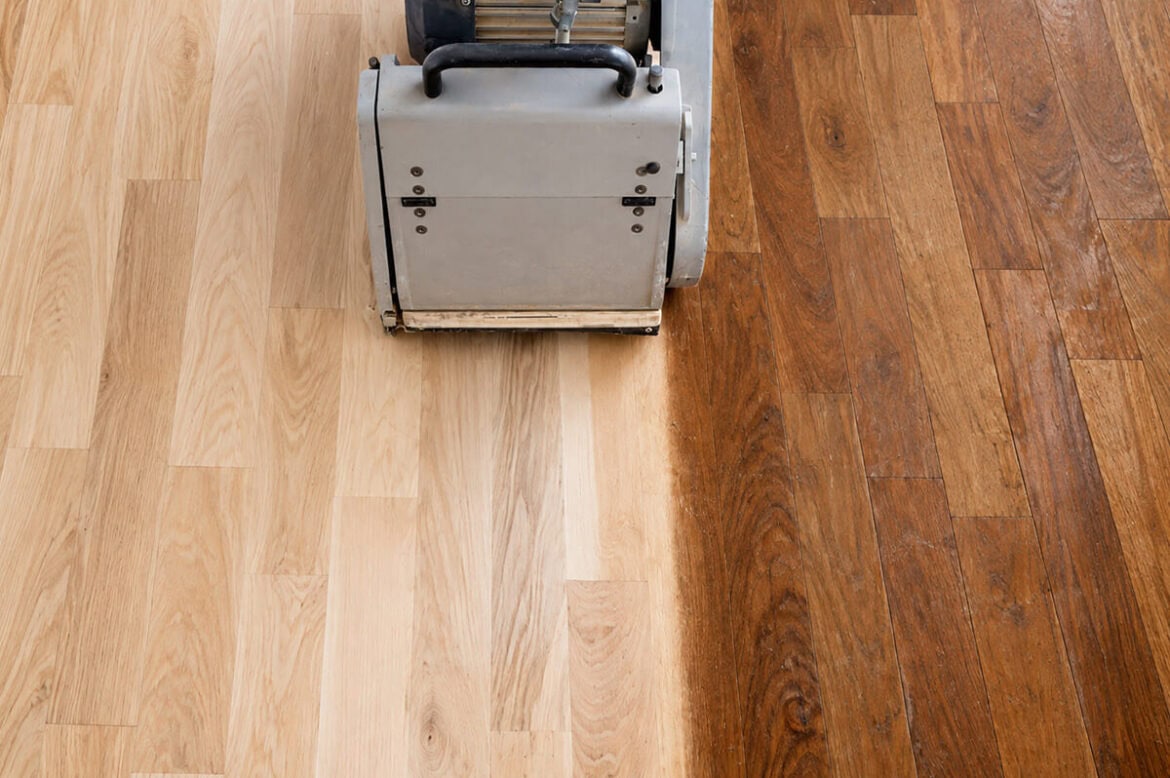
Quick Answer: Yes, engineered hardwood floors can be refinished, provided the top wear layer is thick enough to withstand sanding. The success of the project depends heavily on wear layer thickness, board flatness, installation type, and professional sanding techniques.
Every scuffed plank threatens the visual elegance of your interior. Tearing out a structurally sound foundation because of surface scratches is an expensive mistake. Engineered hardwood features a genuine timber veneer bonded to a stable core, sharing the beauty of solid wood with added structural resilience.
Evaluating key mechanical factors before starting restoration ensures your floors receive the exact treatment needed for decades of use.
Why Does Wear Layer Thickness Dictate Refinishing Success?
The topmost layer of your engineered boards determines whether sanding is physically possible without exposing the inner plywood or high-density fibreboard core. Here are the core measurements and inspection steps to keep in mind:
- Measuring Veneer Depth: Standard engineered planks feature wear layers ranging from 1 mm to 6 mm. Veneers under 2 mm cannot safely undergo traditional drum sanding because the machine will cut straight through to the core. Planks featuring a 3 mm to 4 mm wear layer typically allow for one or two professional sandings over their lifespan.
- The Corner Test and Inspection: Flooring technicians carefully inspect closets, floor vents, or perimeter edges to measure the exact thickness of the remaining timber top layer. This precise measurement prevents accidental blow-throughs during the aggressive initial sanding pass.
- Alternative Restorative Options: If your wear layer is too thin for sanding, chemical screening and recoating provide a viable alternative. This process etches the existing polyurethane coat and applies a fresh protective top layer, eliminating light surface scuffs without removing any genuine wood.
How Does Environmental Sustainability Favour Refinishing Over Replacement?
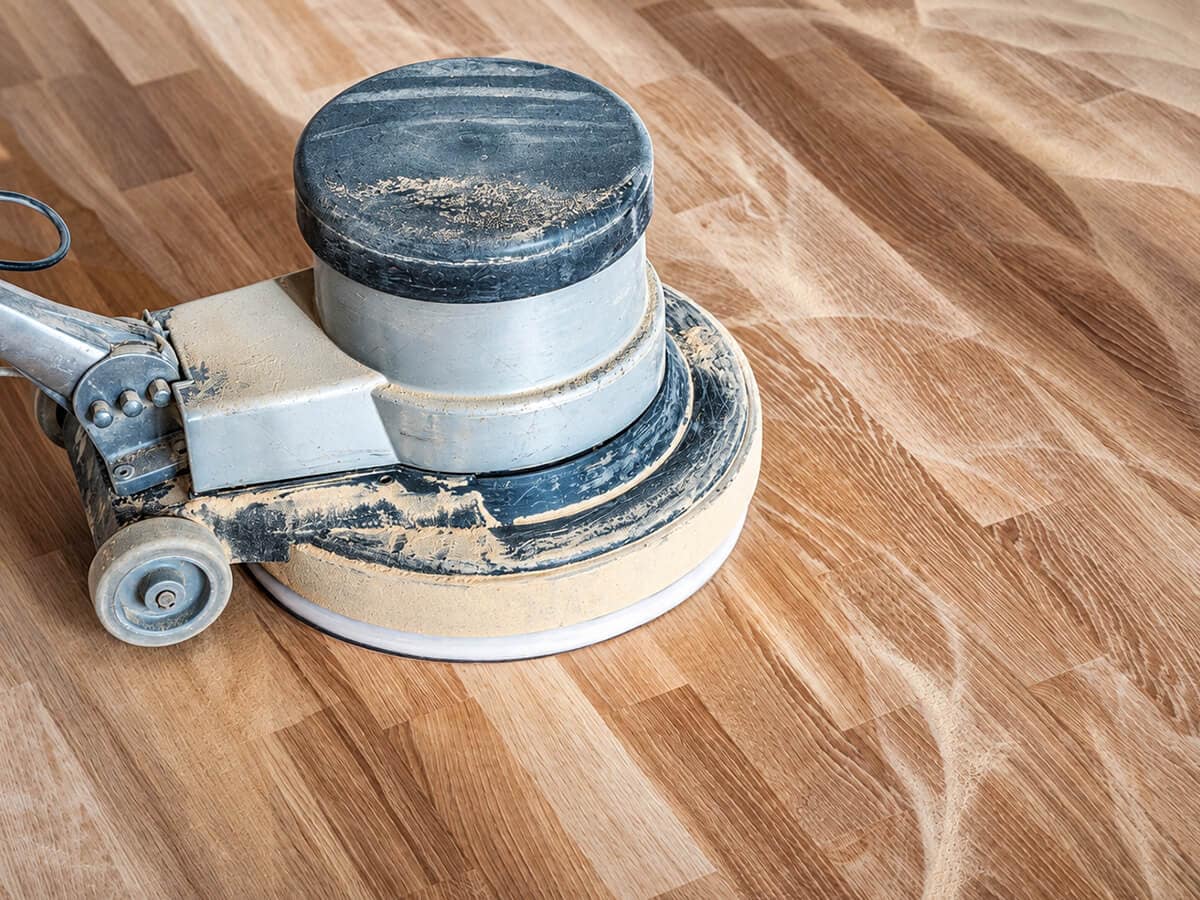
Choosing to restore existing timber surfaces rather than ripping them out delivers a massive positive impact on both personal budgets and provincial ecosystems. Consider these ecological advantages:
- Lower Environmental Impact: A lifecycle assessment (LCA) conducted by the IVL Swedish Environmental Research Institute confirms that restoring hard flooring materials (such as wood, vinyl, and linoleum) creates a significantly lower environmental footprint than entirely manufacturing and installing brand-new surfaces.
- Waste Reduction: Refinishing diverts massive quantities of construction waste away from municipal landfills, preserving natural forests while maximizing the functional lifespan of the timber already installed in your home.
- Long-Term Resource Management: By investing in professional floor restoration, Canadian homeowners actively participate in circular economy practices that reduce carbon emissions associated with the global transportation of newly manufactured building materials.
Does the Original Installation Method Affect the Sanding Process?
How your engineered flooring was secured to the subfloor plays a massive role in how a heavy drum sander interacts with the surface during the restoration phase. Review these structural interaction points:
- Glued-Down Stability: Fully adhered engineered floors offer exceptional rigidity, preventing the boards from flexing or dipping under the heavy weight of professional sanding equipment. This solid bond ensures an even, flat finish across every single square metre.
- Floating Floor Challenges: Floating engineered installations click or lock together without fastening to the subfloor. Since floating planks have slight vertical play, aggressive sanding can cause chatter marks or uneven grooves if the equipment is not handled by an expert technician.
- Subfloor Deflection Check: Any loose, spongy, or shifting subfloors must be repaired prior to refinishing. Addressing underlying structural movement guarantees that the newly sanded surface remains completely smooth and free of future joint stress.
Why Is Board Flatness and Damage Depth Critical?
Surface scratches tell only half the story; evaluating the structural flatness of your boards prevents costly mistakes during the restoration process. Look closely at these physical indicators:
- Cupping and Crowning: If moisture exposure caused the engineered edges to swell or warp significantly, heavy sanding might remove the entire wear layer on the raised edges before flattening the low centres. Extreme warping requires total board replacement rather than standard refinishing.
- Deep Gouges and Pet Stains: Pet urine and deep structural impacts can penetrate past the thin veneer layer into the core substrate. If sanding reveals dark stains below the timber wear layer, those specific boards must be surgically replaced prior to applying the final finish.
- Bevelled Edge Considerations: Many engineered products feature micro-bevelled edges. Sanding a bevelled floor requires removing enough timber to entirely flatten the bevels, turning a textured rustic floor into a completely flat, modern surface.
What Role Do Adhesive Failures and Seam Gaps Play?
Evaluating the condition of the joints and adhesive bonds across your floor prevents unexpected structural failures during the aggressive sanding process. Take note of these potential vulnerabilities:
- Delamination Risks: Poor manufacturing quality or historic moisture infiltration can cause the top timber veneer to separate from the plywood core. Running a heavy drum sander over delaminated boards will tear the veneer right off the subfloor.
- Gapping and Expansion Shifts: Seasonal humidity changes in Canadian homes cause timber to expand and contract. Excessive gaps between planks must be filled with specialized resin fillers during the refinishing process to achieve a seamless, uniform appearance.
- Matching Adjacent Environments: Maintaining visual continuity across multi-level living spaces is vital. Homeowners often coordinate restoration efforts with the high standards expected of premium wood flooring in Toronto, ensuring a flawless architectural transition from entryways to main living zones.
How Do Modern Finishes Protect Restored Floors?
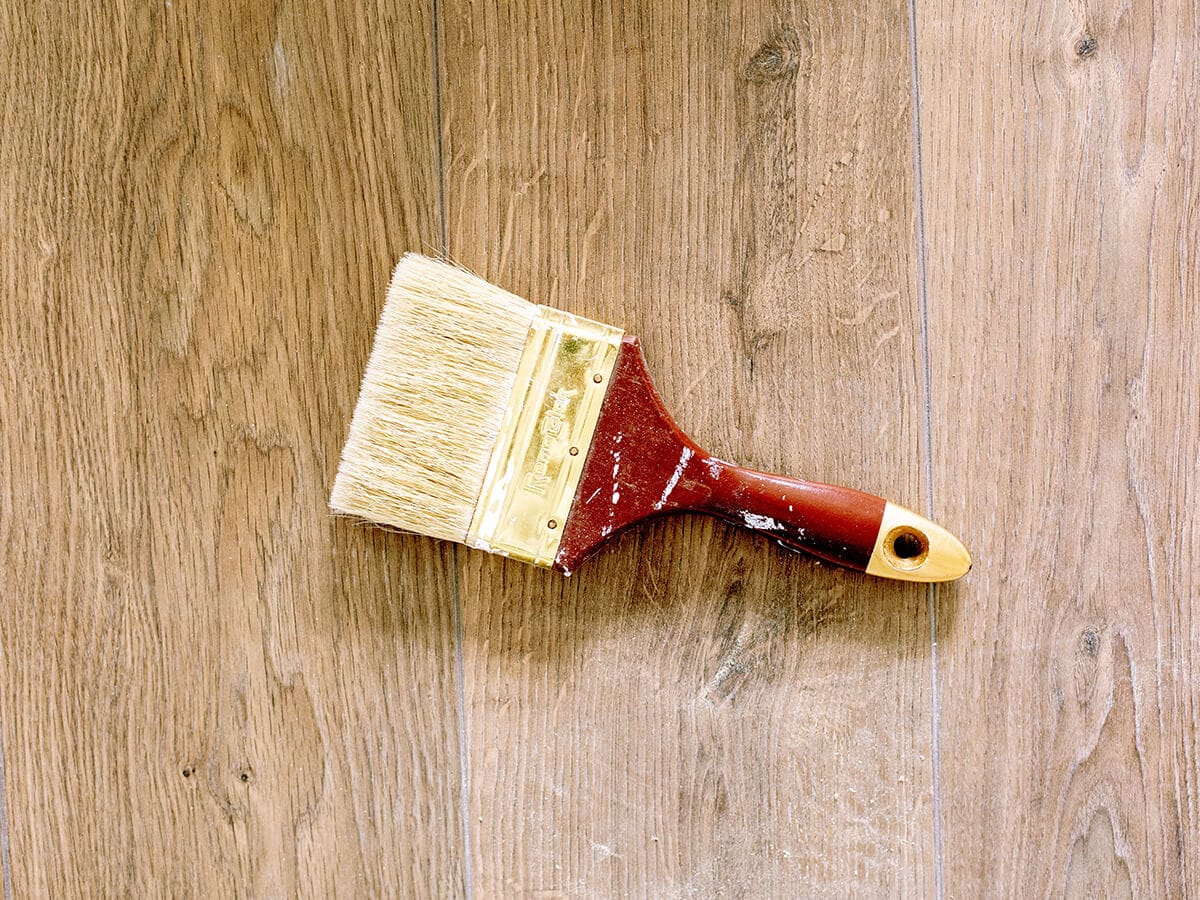
Once your engineered hardwood is sanded to perfection, selecting the correct protective coating ensures your investment survives years of heavy household traffic. Review these top-tier protective coatings:
- Water-Based Polyurethane Shield: Modern water-based formulas provide crystal-clear transparency that highlights the natural grain without amber yellowing, while drying rapidly with minimal volatile organic compounds.
- Hardwax Oil Enhancements: Penetrating oils offer an organic, tactile finish that allows spot-repairs for high-traffic areas without requiring a complete re-sanding of the entire room.
- UV-Cured Protection: Advanced factory and site-applied finishes create a robust barrier against pet claws, high heels, and heavy furniture impacts, extending the life of your newly refinished surface.
Restore Your Investment Today
Stop letting worn-out surfaces diminish your interior design. Whether you require precise veneer evaluations or full-scale surface rejuvenation, expert craftsmanship guarantees lasting results.
Secure the highest standard of hardwood floor refinishing in Toronto by connecting with the master craftsmen at Capital Hardwood Flooring. Call us directly at (416) 536-2200 to schedule your comprehensive site assessment and restore your home today.