
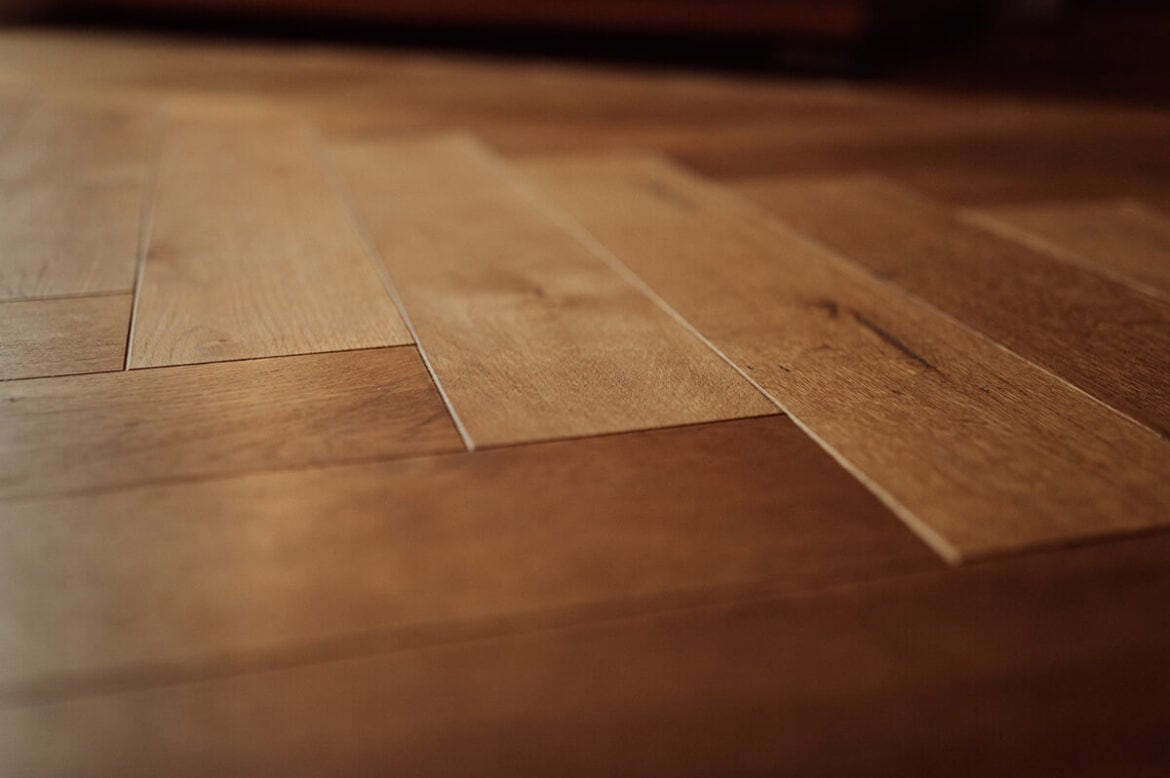
Quick Answer: Yes, hardwood floors can be completely restained during refinishing once the old protective coat and stained surface wood are sanded down to raw timber. Homeowners can switch from dated amber or red tones to modern shades like ebony, grey, or natural blonde.
Faded amber timber drains the life out of a room, leaving tired surfaces exposed to years of scratches and uneven sunlight discolouration. Sanding down to raw wood opens up an exciting opportunity to completely alter your interior colour palette.
Industry specialists emphasize that despite a wider array of substitute flooring materials available today, natural timber consistently remains the absolute gold standard for residential interiors. Professional flooring technicians evaluate wood species porosity and grain density to ensure new stain pigments bond uniformly across every square metre.
Attempting amateur colour changes without professional sanding equipment often leads to blotchy patches and uneven pigment absorption that ruins the entire room. Thorough surface preparation remains the absolute foundation of any successful residential flooring overhaul, ensuring maximum durability and flawless aesthetic outcomes across all living areas.
How Does the Sanding Process Enable Colour Changes?
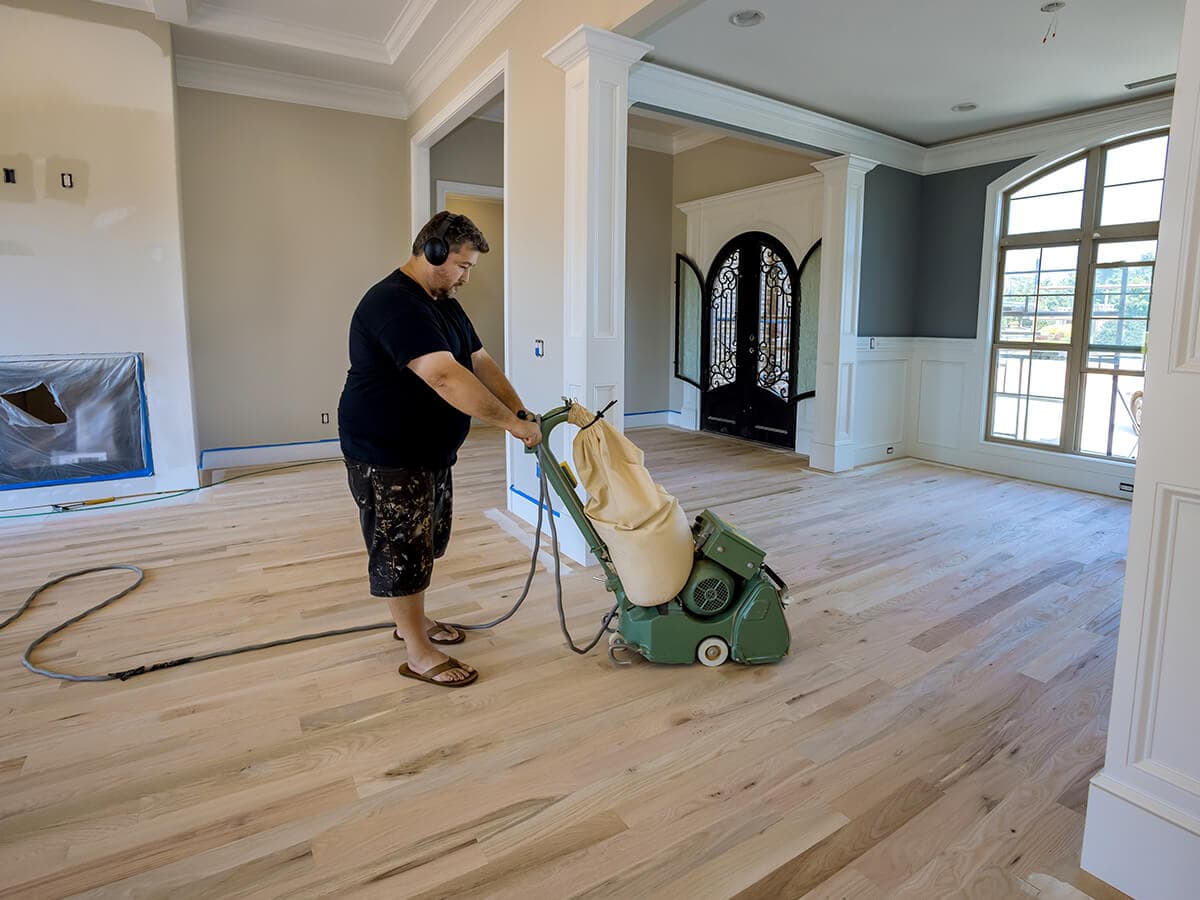
Removing the factory finish and previous stain requires aggressive drum sanding followed by meticulous edging. This mechanical phase exposes fresh, porous wood fibres capable of accepting entirely new pigments. Consider these core aspects of data-driven timber preparation:
- Stripping Outdated Sealers: Heavy drum sanding completely eliminates old yellowed polyurethane layers and deep surface scratches, resetting the floor to a pristine blank canvas.
- Exposing Raw Grain: Uncovering bare wood allows custom stain formulations to penetrate deeply, transforming classic red oak or yellowed pine into contemporary neutral shades.
- Professional Grit Progression: Expert technicians utilize a precise sequence of finer sandpaper grades to eliminate swirl marks and ensure flawless stain absorption across every plank.
- Dust Containment Systems: Industrial vacuum setups extract fine airborne particles immediately, preventing debris from settling into wet stain during application and curing.
- Border and Corner Levelling: Precision palm sanders and specialized corner tools eliminate old pigments trapped near baseboards where standard drum sanders cannot reach.
Which Factors Influence New Stain Penetration?
Not all wood species accept new pigments equally, making professional expertise essential when transitioning between drastic colour extremes. Softwoods and hardwoods react differently to chemical stain formulations. Keep these technical variables in mind:
- Wood Species Porosity: Dense maple resists dark pigments stubbornly, whereas red oak accepts rich walnut and ebony stains readily due to its open grain structure.
- Natural Undertones: Existing amber aging from sunlight exposure interacts with new stains, requiring expert colour-balancing pre-treatments to prevent unexpected greenish or orange colour shifts.
- Alternative Material Synergy: When severe moisture damage prevents total timber restoration in certain utility rooms, Canadian homeowners frequently transition those zones to products like vinyl flooring in Toronto while keeping rich hardwood in main spaces.
- Chemical Conditioning: Professional pre-conditioners open tightly locked wood pores, ensuring even colour saturation across mixed-age flooring repairs.
- Moisture Equilibrium Testing: Checking ambient relative humidity prevents warping and ensures that new wood stains cure at a stable, uniform rate.
Can You Go From Dark to Light or Light to Dark?
Transitioning between extreme colour spectrums involves distinct technical challenges that demand professional intervention and specialized chemical treatments. Review these essential transition dynamics:
- Lightening Dark Floors: Stripping dark espresso or ebony stains requires aggressive multi-pass sanding and specialized bleaching agents to lift deep pigment from dense grain lines.
- Darkening Pale Timber: Applying deep charcoal or ebony over pale white oak creates a dramatic, high-contrast look that highlights crisp white baseboards and modern decor.
- Custom Colour Sampling: Professionals test stain blends directly on your sanded floorboards to verify how local ambient light shifts the hue throughout the day.
- Controlled Curing Speeds: Certified technicians manage indoor humidity to ensure rapid-drying stains penetrate deep into wood pores without surface pooling.
Why Do Professionals Guarantee Flawless Restaining Results?
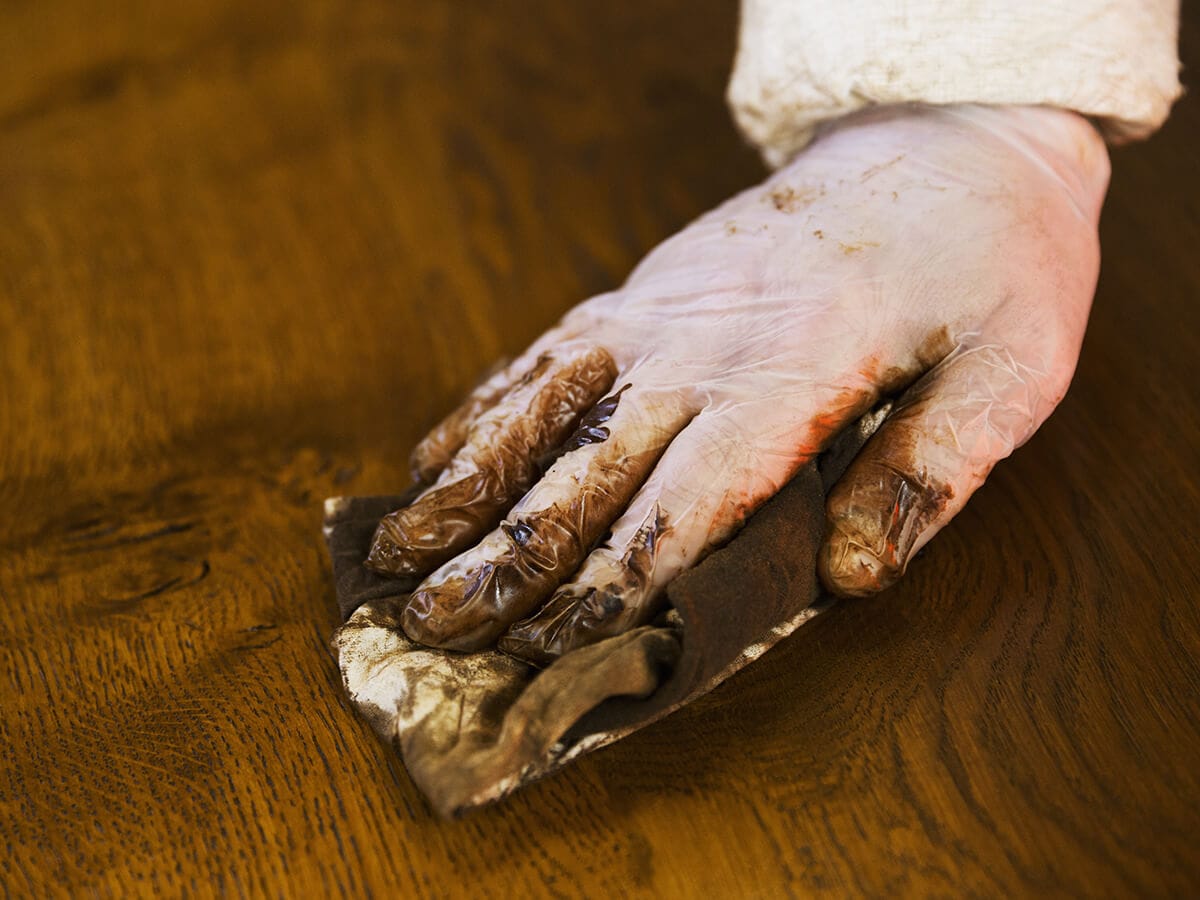
Achieving a streak-free, factory-quality colour transformation requires strict environmental control and expert wiping techniques that amateur renovators cannot replicate. Review these distinct advantages of hiring licensed specialists:
- Eliminating Lap Marks: Expert technicians apply and wipe stains at precise speeds to prevent drying lines and uneven colour overlapping across broad rooms.
- Multi-Coat Protection: Applying professional-grade, slip-resistant polyurethane sealers locks in the new colour while guarding against daily foot traffic and moisture damage.
- Warranty Protection: Ensuring your investment is backed by professional guarantees protects against peeling, hazing, and uneven pigment wear over time.
Elevate Your Interior Design Standards Today
Break free from outdated colour schemes and give your living environment a striking, custom-tailored visual identity. Precision tinting requires meticulous hand-tool mastery and expert chemical formulation to achieve an immaculate finish.
Experience the transformative power of elite hardwood floor refinishing in Toronto by partnering directly with the master craftsmen at Capital Hardwood Flooring. Reach out right now at (416) 536-2200 to arrange your detailed project consultation and set your home transformation in motion.