

Eventually, every homeowner with an aging floor faces the inevitable dilemma: is it time to sand down and refinish, or has the floor reached the end of its natural lifespan, requiring a full replacement?
Making the right choice is crucial not only for the aesthetic harmony of your home but also for its structural integrity and market value.
However, nostalgia should not override practicality. Preserving wood flooring that is structurally compromised or too thin to sand safely can lead to larger issues, including subfloor damage, persistent squeaks, and potential safety hazards. The decision must be based on a careful assessment of the floor’s current physical state.
Here is a comprehensive guide to help you decide when to refinish and when to replace your historic Toronto hardwood floors.
Signs Your Floor Needs Professional Attention
Hardwood floors are adept at communicating their distress. The key is knowing how to read the signs. Minor wear and tear is to be expected, but certain symptoms indicate that a professional intervention is necessary:
- Surface scratches and dents: Light scratches that only penetrate the finish (the top layer of polyurethane, wax, or oil) are common and easily remedied. Deeper gouges that expose the raw wood require more intensive care.
- Fading and discoloration: Sun exposure from large, south-facing windows can bleach wood over time. Alternatively, water damage from potted plants, radiator leaks, or snowy boots left by the door can cause dark, unsightly stains.
- Gaps between boards: The extreme fluctuation in Toronto’s seasonal humidity causes wood to expand and contract. Over decades, this cyclical movement can permanently compress the wood fibres, leaving substantial, unappealing gaps between planks.
- Squeaks and movement: If your floorboards shift underfoot or loudly announce your every step, the wood may have warped, or the fasteners holding the floor to the subfloor may have failed.
- Dullness: When a floor loses its lustre and cannot be revived by standard cleaning, the protective finish has likely worn away, leaving the wood vulnerable to permanent damage.
When to Refinish Your Hardwood Floors
Refinishing is the process of sanding away the old protective finish and a microscopic layer of the wood itself to reveal a fresh, unblemished surface, followed by the application of new stain and a protective topcoat. In most cases, refinishing is the preferred option for historic floors.
The Thickness Test
The most critical factor in determining if a floor can be refinished is the thickness of the remaining wood above the tongue-and-groove joint. Traditional solid hardwood is typically 3/4-inch thick. However, each time it is sanded, a fraction of an inch is removed.
If the floor has been refinished multiple times over the decades, the wood above the groove may be too thin. If it becomes paper-thin, sanding will expose the nail heads and cause the edges of the boards to splinter and break.
You can check this thickness by removing a floor register (vent) or looking at a threshold where the floor meets another surface. If there is at least 1/8-inch of wood above the tongue, the floor can usually endure another sanding.
Surface-Level Damage
If your floor suffers primarily from superficial scratches, scuffs, fading, or minor localized water stains, refinishing is the ideal solution. A professional sanding will erase these imperfections.
Changing the Aesthetic
Perhaps the floor is structurally sound, but you dislike the colour. Historic homes were often finished with dark, heavy stains or varnishes that yellowed heavily over time. Sanding the floor down to the raw wood provides a blank canvas. You can choose to leave it natural with a clear finish to brighten the room, or apply a modern stain to complement your current interior design.
The Eco-Friendly Choice
Refinishing is inherently more environmentally friendly than replacing. It utilizes the existing materials, preventing viable lumber from ending up in a landfill, and reduces the demand for new timber harvesting, manufacturing, and transportation.
When It’s Time to Replace Your Hardwood
Despite our best efforts to preserve history, there are times when replacement is the only viable, safe, and economically sound option.
Extreme Structural Damage and Thinness
If the floor has been sanded down to the absolute limit and the nails are showing through, it has reached the end of its life. Similarly, if there is widespread structural damage—such as extreme warping, buckling, or cupping caused by severe flooding or persistent moisture from a basement below—the wood fibres are permanently distorted. Sanding cannot fix structural failure.
Pervasive Pet Stains
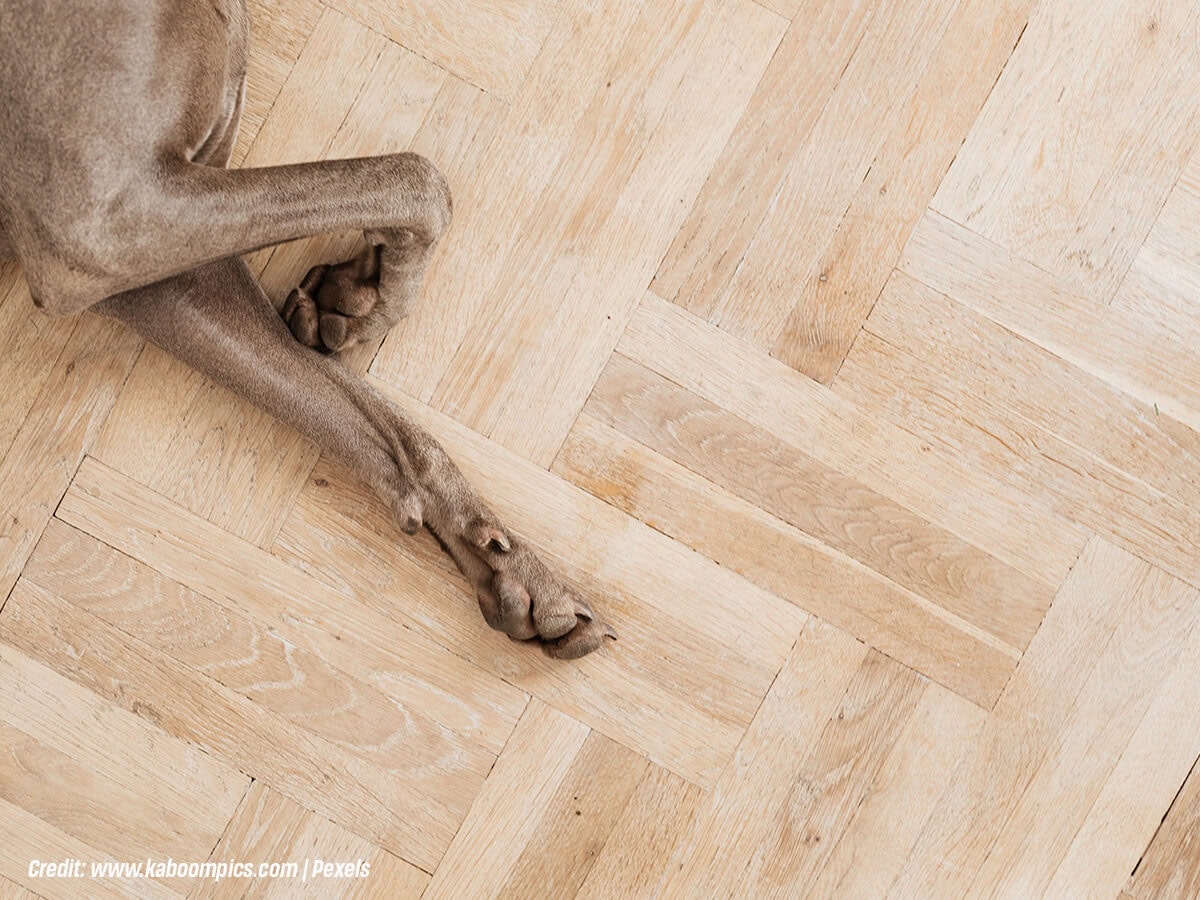
Pet urine is incredibly damaging to wood. The ammonia and uric acid can penetrate deep into the fibres, causing black stains that cannot be sanded out without compromising the thickness of the board. Furthermore, the odour can become permanently trapped in the wood. If a room has extensive, deep-set pet stains, replacing the affected boards—or the entire floor—is often the only way to eliminate the aesthetic and olfactory issues.
Dangerous Subfloor Issues
Sometimes the problem lies beneath the surface. If your floors are severely sagging, bouncy, or exceptionally loud, the subfloor or the structural joists may be compromised. To access and repair a rotting or failing subfloor, the hardwood above it must usually be removed. Old, brittle tongue-and-groove boards rarely survive being pulled up and reinstalled, necessitating a new floor.
Unifying Disjointed Spaces
Historic homes often feature a patchwork of different flooring materials added during various renovations over the decades. You might have original oak in the living room, 1970s maple in the hallway, and linoleum in the kitchen.
If your goal is to create a seamless, cohesive flow throughout the house, ripping out the disjointed sections and installing our uniform, high-quality hardwood flooring in Toronto will completely modernize the space while adding massive aesthetic appeal.
Choosing the Right Replacement Flooring
If replacement is the necessary path, selecting the right material is vital to maintaining the value and comfort of your Toronto home. Modern flooring technology offers incredible options that marry the beauty of classic wood with advanced durability.
For areas prone to humidity fluctuations or spaces requiring installation over concrete (such as renovated basements or modern condo units), you should strongly consider our engineered hardwood flooring in Toronto.
Unlike solid wood, engineered planks are constructed with a thick top veneer of real, premium wood bonded to multiple layers of high-density plywood or high-density fiberboard (HDF). This cross-grain construction makes the planks highly resistant to expanding, contracting, and warping in the face of Toronto’s dynamic climate changes. From wide-plank European white oak to rich, dark walnut, engineered options provide the exact aesthetic of solid wood with enhanced structural stability.
If you are replacing floors on the main or upper levels of a historic home with a traditional plywood subfloor, you might opt for brand-new solid hardwood.
Modern milling techniques ensure precision fits, and contemporary pre-finished boards come with ultra-durable, factory-applied coatings that incorporate aluminum oxide for extreme scratch resistance—far surpassing the durability of traditional site-applied polyurethane.
The Cost Equation Between Refinishing vs. Replacing
Budget is inevitably a major factor in the decision-making process. Generally speaking, refinishing an existing floor is significantly more cost-effective than a full replacement. Refinishing involves labour and materials (sandpaper, stain, polyurethane), but avoids the substantial cost of purchasing new lumber, tearing out the old floor, disposing of the waste, and paying for the installation of the new boards.
However, if a floor requires extensive patching (sourcing reclaimed wood to match historic boards), deep stain removal, or structural repairs before it can be sanded, the labour costs can quickly escalate.
In scenarios where a floor is heavily damaged, the cost gap between an intensive, complex restoration and a straightforward replacement narrows considerably. Investing in a brand-new, structurally sound floor may provide better long-term value than pouring money into a failing surface.
How to Protect Your Flooring Investment
Whether you choose to breathe new life into your original boards or invest in a stunning new installation, proper maintenance is the key to longevity.
- Control the climate: Utilize humidifiers in the winter and air conditioning or dehumidifiers in the summer to keep your home’s relative humidity between 35% and 55%. This prevents the wood from violently expanding and contracting.
- Use area rugs: Place high-quality mats at all entrances to catch grit, salt, and snow before it reaches the wood. Use area rugs in high-traffic zones like hallways and living rooms.
- Felt protectors: Affix felt pads to the bottom of all furniture legs, especially chairs that are frequently moved, to prevent deep scratching.
- Proper cleaning: Avoid wet-mopping your wood floors. Use a damp microfiber mop and a cleaning solution specifically formulated for hardwood. Never use harsh chemicals, steam cleaners, or wax-based polishes on modern polyurethane finishes.
When to Get the Professionals Involved
Because every floor tells a different story, an in-person assessment by an experienced flooring professional is the most reliable way to determine the best path forward. They can accurately measure the remaining wood thickness, identify hidden subfloor issues, and provide a clear, realistic outline of what refinishing can achieve versus the benefits of starting fresh.
Ready to transform your home’s foundation?
Whether your historic floors need a master touch to bring out their original glory or you are looking for a flawless new installation, we are here to help.
Contact Capital Hardwood Flooring at 416-536-2200 or email us at [email protected] to schedule your consultation and discover the best solution for your home today.