
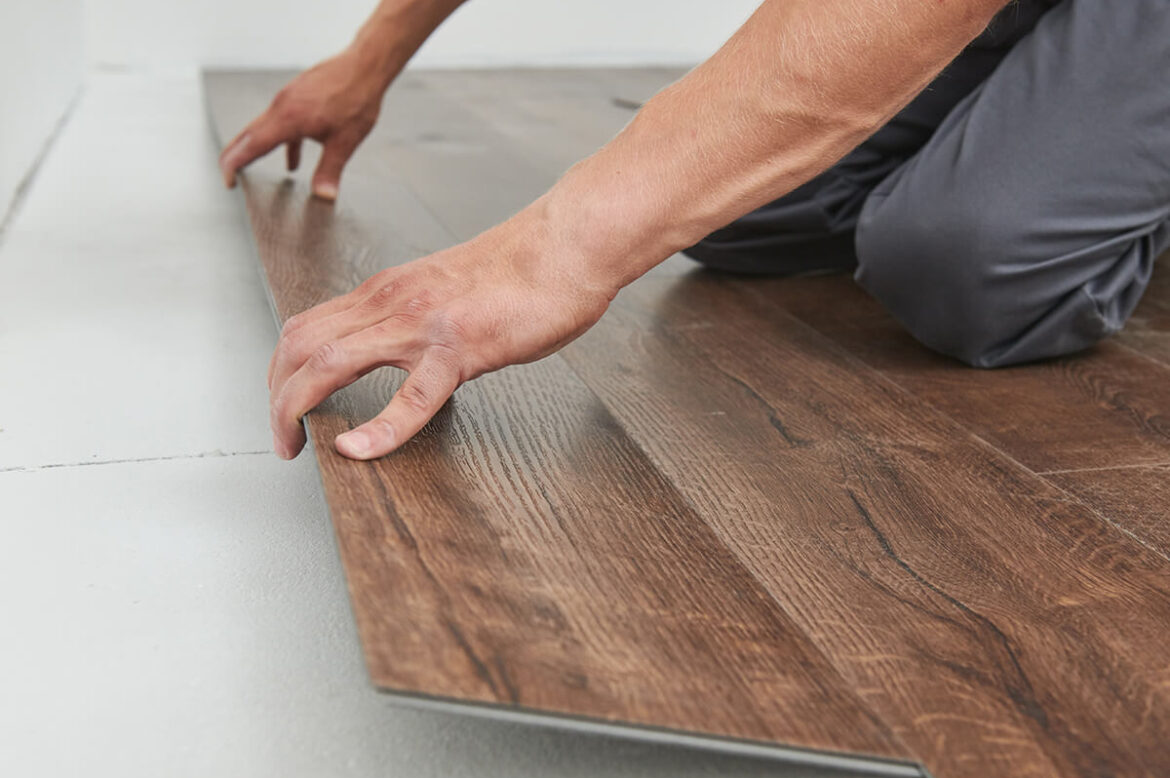
Cold interiors drain energy. A house should immediately lower your heart rate and invite relaxation. The foundation of this sensory shift isn’t lighting or paint – it is the surface beneath your feet.
Wood-look vinyl planks fundamentally change how we construct comfortable environments, offering rich timber aesthetics alongside extreme resilience. Warm tones (ambers, honeys, and roasted maples) act as a visual fireplace. They emit a psychological warmth that softens harsh architectural lines, transforming sterile spaces into welcoming sanctuaries.
1. How Warm-Toned Vinyl Planks Anchor a Room’s Aesthetic
The human eye instinctively evaluates a room from the ground up, seeking a solid foundation. If the floor feels clinically cold, the entire room feels uninviting, regardless of plush velvet sofas or thick wool rugs.
Warm-toned wood-look planks provide a grounding base that instantly signals safety and shelter. The physical act of walking across a visually warm surface subtly influences your posture and breathing, encouraging immediate physical relaxation.
Colour Psychology in Action
Tones like golden oak and warm hickory trigger an innate sense of physical comfort. These specific hues absorb harsh, cool-toned artificial lighting and reflect a softened, golden glow that is incredibly easy on the eyes.
Establishing the Desired Mood
A slightly darker, warm-toned floor gives a room necessary gravity, making the space feel properly anchored rather than floating. The warmth of the floor sets a precedent. It tells anyone entering that this space is meant for lingering and unwinding, rather than rushing through on the way to somewhere else.
2. Activating the Biophilic Response for Mental Well-Being

We are biologically wired to seek connections with the natural world, a concept known in design psychology as biophilia. Cold concrete and sterile white tiles often trigger a subconscious stress response because they represent artificial, unforgiving environments. The inclusion of nature-inspired textures reverses this stress. This translates directly into reduced anxiety and lower blood pressure for the occupants.
Measurable Cognitive Benefits
Incorporating wooden elements in interior design improves occupant satisfaction and cognitive performance, supporting the biophilic hypothesis (Shen et al., 2020). Wood-look flooring effectively bridges the gap between the outdoors and the indoors. It provides the profound neurological benefits of nature without the associated upkeep, sealing, and maintenance.
Achieving Authentic Coziness
By bringing the intricate visual texture of nature indoors (the knots, the sweeping grain patterns, the subtle colour variations) we trick our brains into feeling the serene, restorative effects of a natural environment.
A room cannot feel truly cozy if the mind perceives it as an artificial box. The organic warmth of wood textures breaks down that psychological barrier, fostering a sense of profound peace and grounding.
3. Combating Canadian Winters Through Visual Heat
When the temperature drops outside, interior design must compensate to maintain morale. Canadian winters bring long months of grey skies, blinding white snow, and brutally early sunsets. A cool-toned floor, such as a slate grey or an icy whitewash, exacerbates the physical chill of the season, reflecting the harsh weather back into your living space.
Providing Immediate Sensory Relief
Warm wood tones offer immediate visual heat. Even when the ambient temperature remains fixed at twenty-one degrees, a floor with rich amber or red undertones makes the space feel physically warmer. Stepping out of a February blizzard into a living room anchored by rich chestnut tones provides instant sensory relief, signaling to your brain that you have reached safety.
The Indoor Hearth Effect
Warm tones catch indoor artificial lighting beautifully during dark winter evenings. They replicate the cozy, flickering ambiance of a hearth, spreading a subtle golden hue across baseboards and lower walls. On overcast days, warm floors prevent a room from looking flat and depressing, injecting vibrancy into the home’s atmosphere when nature cannot.
4. Mimicking Authentic Textures Without the Associated Anxiety
The intense desire for a cozy, authentic-feeling home often leads homeowners to consider high-maintenance materials. While authentic hardwood in Toronto remains a stunning investment for many historical or heritage homes, it requires strict humidity control and careful, ongoing maintenance to prevent cupping, gapping, and scratching. For active, modern households with pets and children, the constant worry over spilled drinks, muddy boots, and sliding chairs destroys the relaxation a cozy home is supposed to provide.
Embossed Grain and Tactile Realism
Modern wood-look planks provide the deep, embossed grain patterns of real timber without the crushing anxiety of accidental damage. You get the tactile sensation of sawn oak or hand-scraped hickory under your socks; a texture that contributes heavily to the cozy atmosphere.
Living Freely in Your Sanctuary
You enjoy this aesthetic while knowing the surface is entirely water-resistant, exceptionally durable, and highly scratch-resistant. True coziness requires peace of mind. If you are constantly policing your family’s behaviour to protect a delicate floor, the room is no longer a sanctuary; it is a museum. The durability of modern materials allows you to actually live heavily in your cozy spaces without fear.
5. Harmonizing with Soft Furnishings and Layered Textures
Coziness is rarely achieved through a single, isolated design element; instead, it is built through careful, intentional layering. A room becomes a true retreat when you combine varied, tactile textures: chunky knit throw blankets, velvet accent pillows, thick woven rugs, and soft linen window drapes. Warm wood tones serve as the absolute perfect neutral canvas for this textural layering.
Mastering Complementary Colour Pairings
Golden, honey, and amber floors pair beautifully with rich, deep jewel tones like emerald green, sapphire blue, and burgundy. They also elevate earthy neutrals, making terracotta, olive, and warm cream pop beautifully against the rich background.
Softening Architectural Edges
If your home features modern, minimalist furniture with sharp angles, glass tables, and metal accents, a warm-toned floor immediately softens the visual impact. It prevents the room from feeling stark or overly industrial.
Warm floors will also seamlessly integrate with antique furniture, worn leather armchairs, and inherited family pieces. By acting as a universal unifier, the warm floor allows you to mix different design eras without creating visual chaos, tying the room together into a cohesive, lived-in aesthetic that feels curated and personal.
6. Amplifying Natural Light with Sun-Kissed Hues
Not every home is blessed with massive floor-to-ceiling architectural windows. In rooms where natural daylight is limited or obstructed by mature trees and neighbouring buildings, the floor colour becomes absolutely crucial to the room’s energy. Dark, cool-toned floors swallow incoming light, making a small room feel like a gloomy, oppressive cave.
Reflecting and Enhancing Sunlight
Warm, mid-toned floors (like honey oak, natural hickory, or light amber) act as subtle, expansive reflectors. They take whatever sunlight manages to enter the room and bounce it back upward with a golden, sun-kissed tint.
Creating a Permanent Golden Hour
This reflective effect beautifully mimics the “golden hour” right before sunset, creating a permanently inviting, warm atmosphere, even on heavily overcast, rainy afternoons. The ability to manipulate and enhance natural light is a key factor in making a space feel open, airy, and yet deeply comforting.
Instead of fighting the lack of light, warm tones optimize the available illumination, turning a potential architectural flaw into a significant atmospheric advantage for your daily life. This strategic flooring choice brightens up spaces naturally, reducing the need for harsh artificial lighting during daytime hours and promoting a more organic rhythm to your home environment.
7. Designing Seamless Open-Concept Warmth and Continuity
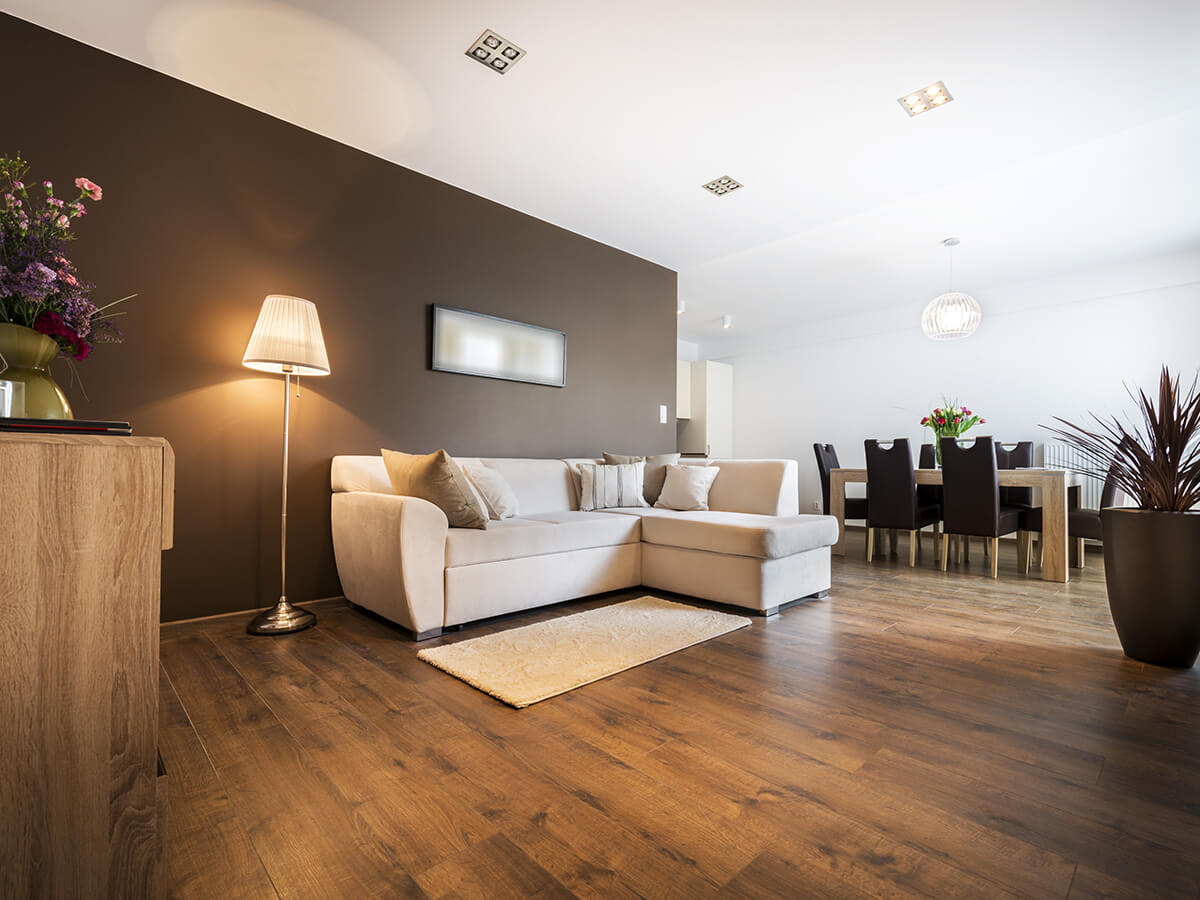
The major challenge with modern open-concept living is that sprawling spaces can easily feel cavernous, disjointed, and cold. A massive expanse of cool-toned or varied flooring turns an open main floor into an echoing hall, lacking definition and intimacy. Creating a cozy feeling in a large space requires strategic continuity and visual planning.
Unifying Functional Zones
Running continuous, warm-toned planks across the entire level unifies the architecture. It visually connects the kitchen, the dining area, and the living room, pulling the disparate functional zones together into one cohesive, inviting whole. The uninterrupted visual line of a warm wood grain draws the eye smoothly from one end of the house to the other, creating a sense of calm and order.
Eliminating Visual Clutter
While the floor unifies the space, the warmth allows you to use area rugs to define specific, cozy seating arrangements without breaking the overall harmony of the home. Removing harsh transition strips between different types of flooring reduces visual clutter, allowing the mind to rest the moment you walk through the front door after a very long day.
This unbroken visual sweep creates an illusion of expanded space while paradoxically making the massive area feel more intimately connected, wrapping the entire floor plan in a single, comforting aesthetic blanket.
Transform Your Foundation Today
Your home must function as a reliable retreat that actively replenishes your spirit. Upgrading your floors is the fastest way to rewrite the emotional signature of your house. For the absolute highest quality selection of vinyl flooring in Toronto, contact Capital Hardwood Flooring.
We supply the premium flooring materials that seamlessly transform basic rooms into enduring, comfortable sanctuaries. Call (416) 536-2200 today to schedule your consultation and secure the solid, beautiful foundation of your new reality.