
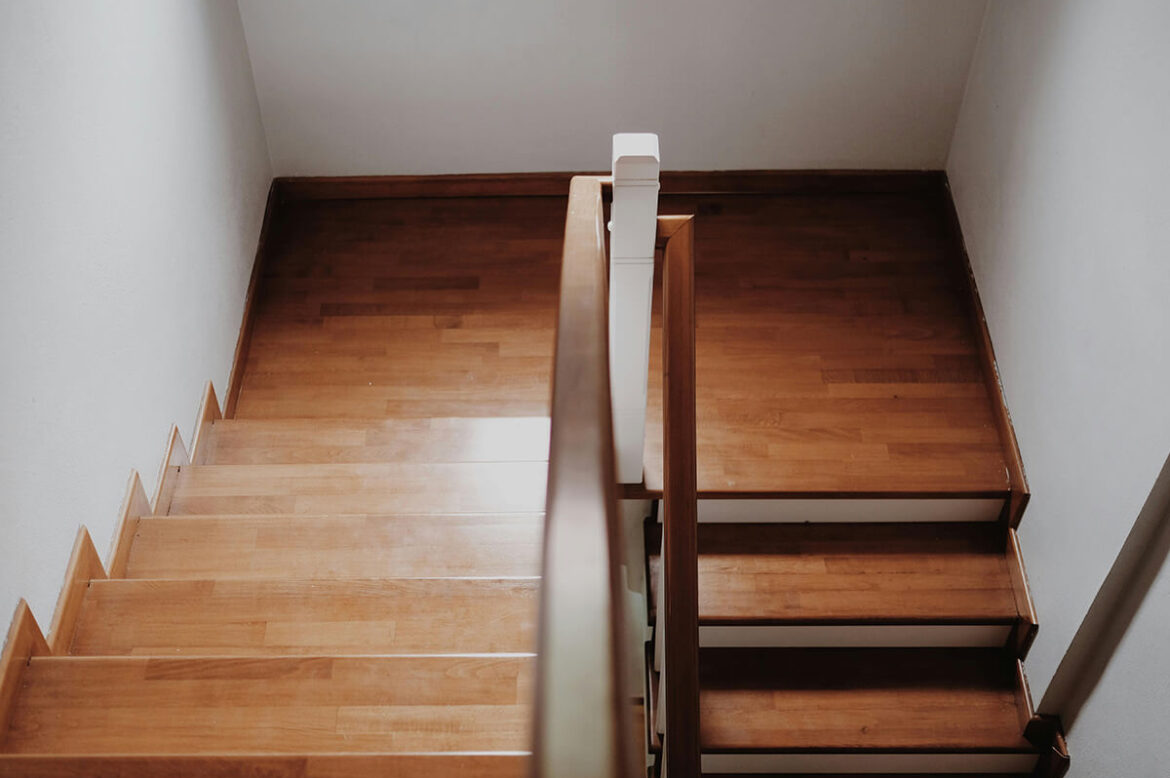
A staircase endures relentless pressure, bearing the concentrated weight of daily foot traffic across a narrow surface area. Once the protective barrier on your hardwood flooring fails, structural and aesthetic degradation accelerates rapidly. Ignoring these warning signals threatens the safety, longevity, and visual appeal of your home’s central architectural feature.
1. Deep Gouges and Splintering Compromise Structural Integrity
Severe physical indentations indicate the surface seal has vanished, leaving the organic material completely vulnerable.
- The Safety Hazard: Jagged edges and lifted fibres catch on clothing, turning a simple ascent into a physical risk. Good lighting, consistent design, strong foundation, and a way to remove liquid can decrease staircase accidents and save lives (Tung et al., 2023). A smooth, intact tread is the absolute basis of that strong foundation. Ignoring structural splintering actively invites injury, compromising the security of your family.
- Measuring the Threat: When a gouge exceeds 2 millimetres in depth, topical treatments become useless. The material requires aggressive sanding using heavy machinery to level the plane permanently. Shallow scratches are cosmetic, but deep gouges expose the untreated core of the board to moisture and accelerated decay, guaranteeing future structural failure.
- Preventing Escalation: A minor crack left exposed will quickly widen into a catastrophic split running the entire length of the board. Addressing physical fractures early prevents full tread replacement, saving significant financial resources. By filling gaps and smoothing edges, you restore the solid footing required for a bustling household to move safely.
2. Severe Discolouration from Ultraviolet Light Alters the Aesthetic
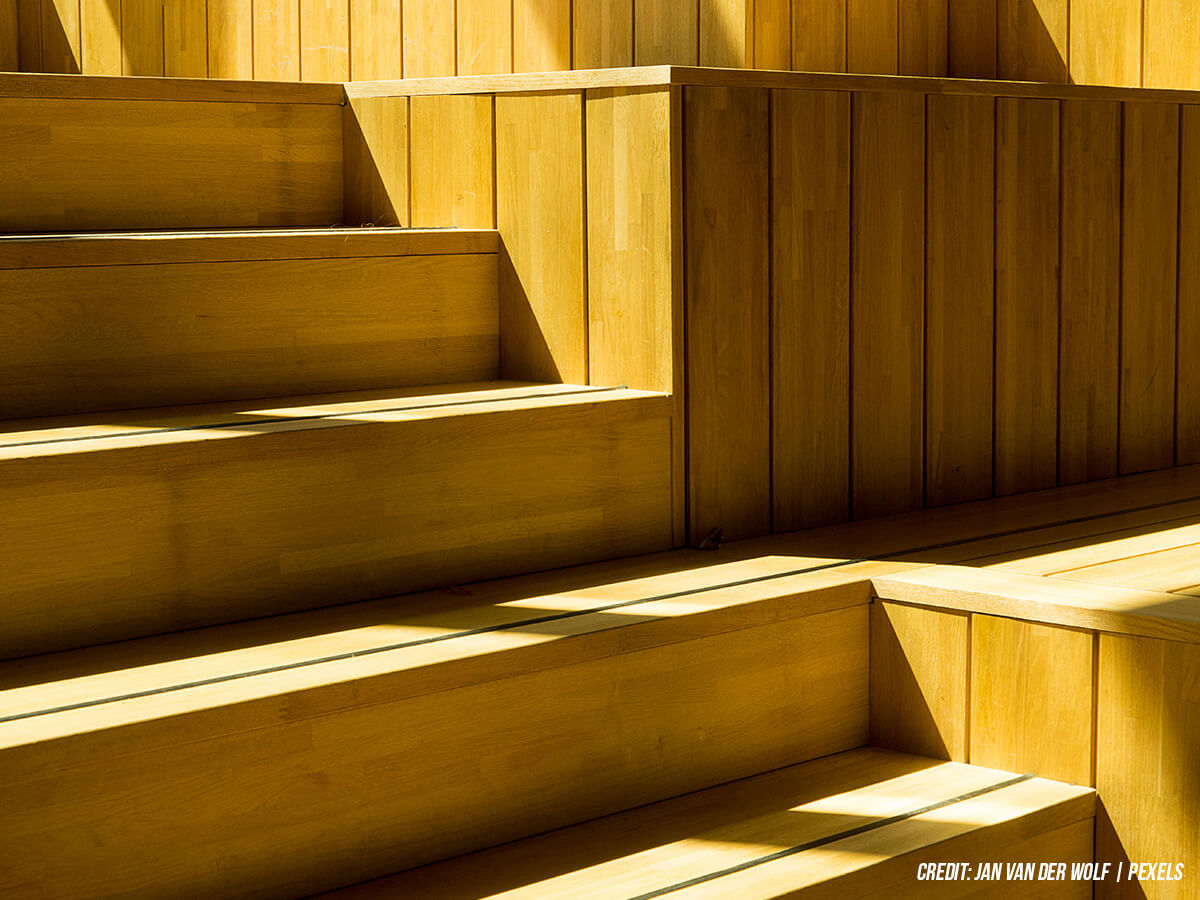
Sun exposure aggressively degrades protective layers over time, bleaching the original tone and causing irreversible photochemical damage.
- Uneven Shading: Properties with large foyer windows suffer from dramatic bleaching. If you remove a carpet runner and discover a stark colour contrast between the middle and the edges of the steps, the finish has failed. This harsh line of demarcation ruins visual flow, making the staircase look like a patchwork of mismatched timber.
- Chemical Breakdown: Ultraviolet radiation breaks down the cellular structure of the timber, turning rich ambers into a lifeless, cloudy yellow. This reaction weakens surface density, leaving boards brittle and susceptible to cracking under heavy weight. The sun literally bakes the natural oils out of the wood, resulting in a dry, fragile surface.
- Restoring Uniform Tone: Topical polishes cannot reverse radiation damage. The only method to restore a luxurious appearance is to strip away the degraded millimetres of affected timber and apply a fresh, UV-resistant stain and topcoat. This process unifies the staircase, ensuring it complements the surrounding architecture perfectly rather than looking like a neglected afterthought. A uniform tone elevates the entire foyer, projecting an immediate sense of refined elegance and demonstrating a commitment to meticulous property upkeep.
3. Moisture Stains Reveal a Breached Polyurethane Seal
Dark patches denote liquid penetration past the surface level, indicating the waterproof barrier is entirely gone.
- The Climate Threat: Winter brings a constant influx of melting snow, slush, and abrasive rock salt dragged indoors. When these corrosive elements sit on an unprotected step, they soak directly into the porous fibres, creating permanent black or grey spots. Canadian winters demand a flawless protective barrier to stop this rapid interior destruction.
- Organic Deterioration: Liquid trapped beneath a failing finish does not just leave an ugly mark; it actively rots the timber from the inside out. This sustained dampness fosters microbial growth and weakens the structural capacity of the wood, making it soft and prone to caving under constant daily pressure.
- Eradicating the Damage: Bleaching agents or superficial scrubbing will not remove deep-set liquid marks. A full restoration sands past the water line, removing compromised layers and resealing the raw timber with industrial-grade polyurethane. This halts the decay process instantly, providing a resilient shield against future spills and the realities of seasonal slush. Proper sealing guarantees that subsequent moisture evaporates safely on the surface rather than penetrating the vulnerable core, extending the lifespan of the staircase significantly.
4. High-Traffic Wear Patterns Expose the Raw Material
The middle of each step bears the absolute brunt of daily ascension, gradually stripping away the varnish through relentless friction.
- Visible Pathways: Years of ascending and descending create a distinctly dull, rough pathway down the centre of the flight. This pathway looks entirely different from the glossy, untouched margins near the railings, creating an unkempt appearance. This uneven wear makes the entire home feel tired.
- Loss of Traction: As the finish wears thin, the grip changes unpredictably. This uneven friction creates a subtle slipping hazard, especially for individuals wearing socks. A freshly applied sealant restores consistent, reliable traction across the entire width of the board, ensuring every step provides a predictable, secure hold on steep inclines.
- Protecting the Investment: Allowing the finish to wear completely through means everyday friction is now slowly grinding away the actual timber. Maintaining premium installations, such as authentic hardwood in Toronto, requires intercepting this wear pattern before the boards become too thin to salvage. Regular upkeep preserves the substantial equity built into your property. Preventing a simple maintenance task from escalating into a massive carpentry replacement project is intelligent financial management.
5. Persistent Creaking Indicates Shifting Components
Auditory signals often accompany physical degradation, pointing directly to loosened joinery and failing adhesives beneath the surface.
- Friction Between Elements: A staircase is a complex assembly of treads, risers, and stringers. When the protective seal degrades, fluctuations in indoor humidity cause these separate pieces to expand and contract unevenly. This relentless movement breaks the adhesive bonds, resulting in loud squeaks whenever weight is applied. Bare wood absorbs ambient moisture rapidly, exacerbating this swelling cycle.
- The Restoration Advantage: While sanding and staining address the surface aesthetics, a professional crew will also tighten loosened components during the preparation phase. Driving new fasteners and securing the boards before applying a fresh finish ensures the structure remains completely silent and physically stable. This dual approach addresses both visual decay and mechanical failures simultaneously.
- Achieving Acoustic Peace: A loud, groaning flight of stairs disrupts the peace of your home, echoing through the hallways. Properly securing and sealing the organic material minimizes extreme expansion and contraction, preventing the friction that causes these disruptive sounds and returning acoustic tranquility to your living environment. A silent staircase is a hallmark of superior craftsmanship and meticulous ongoing maintenance.
6. Trapped Odours Suggest Deep Fibrous Contamination
Bare timber acts like a rigid sponge, absorbing environmental smells and holding them permanently within its cellular structure.
- Permeable Surfaces: A strong, intact topcoat repels liquids and gases. Once that coat is compromised, the open pores of the material absorb everything from cooking smoke and airborne grease to inevitable pet accidents. Wood acts as a permanent vault for environmental pollutants, locking them beneath the surface.
- Microbial Causes: If a flight of stairs constantly emits a musty or sour smell despite rigorous scrubbing, the contamination has reached the inner fibres. Moisture and bacteria trapped within the board will continuously off-gas, negatively affecting the ambient air quality of your entire home. This hidden bacterial growth poses a subtle but continuous threat to respiratory comfort, especially in tightly sealed modern homes.
- Eradicating the Source: Surface deodorizers simply mask the issue temporarily. Professional sanding physically removes the contaminated upper layers of the board, completely eliminating the source of the smell. Sealing the freshly exposed wood then locks out future contaminants, ensuring your home smells inherently clean. Maintaining a pristine indoor environment demands foundational materials that do not harbour hidden bacteria or trap stale odours permanently.
7. Persistent Cloudiness Defies Standard Maintenance
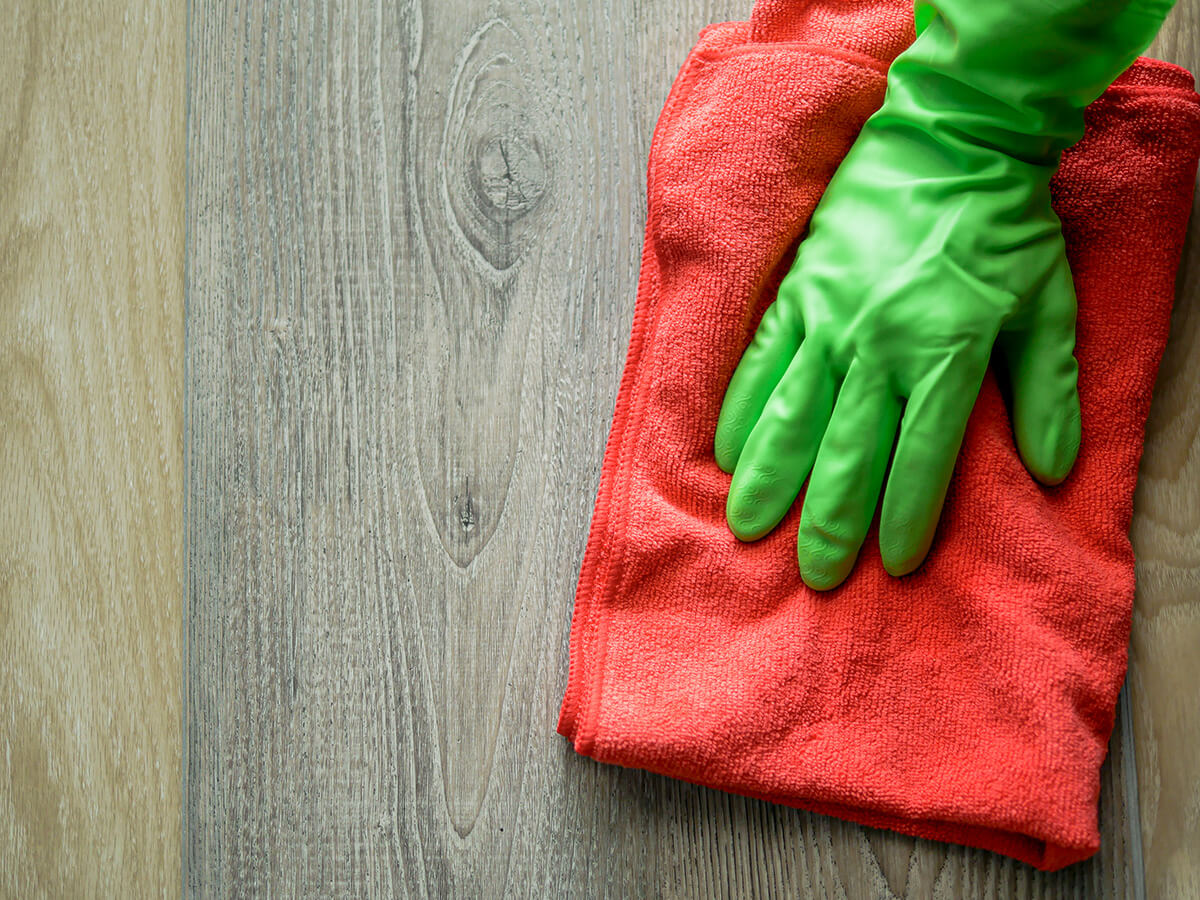
When rigorous washing no longer yields a shine, the topcoat is effectively dead and cannot be revived by conventional means.
- Micro-Scratches and Grit: Over years of rigorous use, microscopic particles of dirt and sand act like sandpaper under your shoes. This creates millions of tiny abrasions on the surface. These abrasions scatter light rather than reflecting it, resulting in a perpetually dull, milky appearance that makes the entire house look dirty. This granular damage destroys the glossy, high-end finish that initially made the installation so visually striking.
- Wasted Effort: Homeowners often spend countless hours applying chemical shiners, waxes, and specialized soaps, hoping to magically restore the original lustre. If the underlying protective layer is fractured, these topical treatments only create a sticky, hazy buildup that attracts and traps even more dirt. Continuing to polish a dead finish is an exhausting cycle of maintenance that yields zero actual aesthetic improvement.
- Rebuilding the Reflective Barrier: The only effective solution is to strip the cloudy, damaged varnish completely. Applying a fresh, high-quality finish fills the pores and creates a perfectly smooth, uniform plane. This restores the brilliant, light-reflecting quality that makes premium timber so visually stunning, drastically reducing the amount of effort required for your weekly cleaning routine. A flawless finish transforms a chore into a source of immense architectural pride.
Restore the Grandeur of Your Staircase Today
Stop ignoring the deterioration of your property’s primary focal point. Upgrading your steps is the most effective way to rewrite the architectural atmosphere of your home. For precise installation and stairs refinishing in Toronto, rely on the experts at Capital Hardwood Flooring.
We supply premium solutions that seamlessly transform basic, worn steps into enduring, pristine sanctuaries. Call us directly at (416) 536-2200 to schedule your consultation and secure the solid, beautiful foundation of your new reality today.