
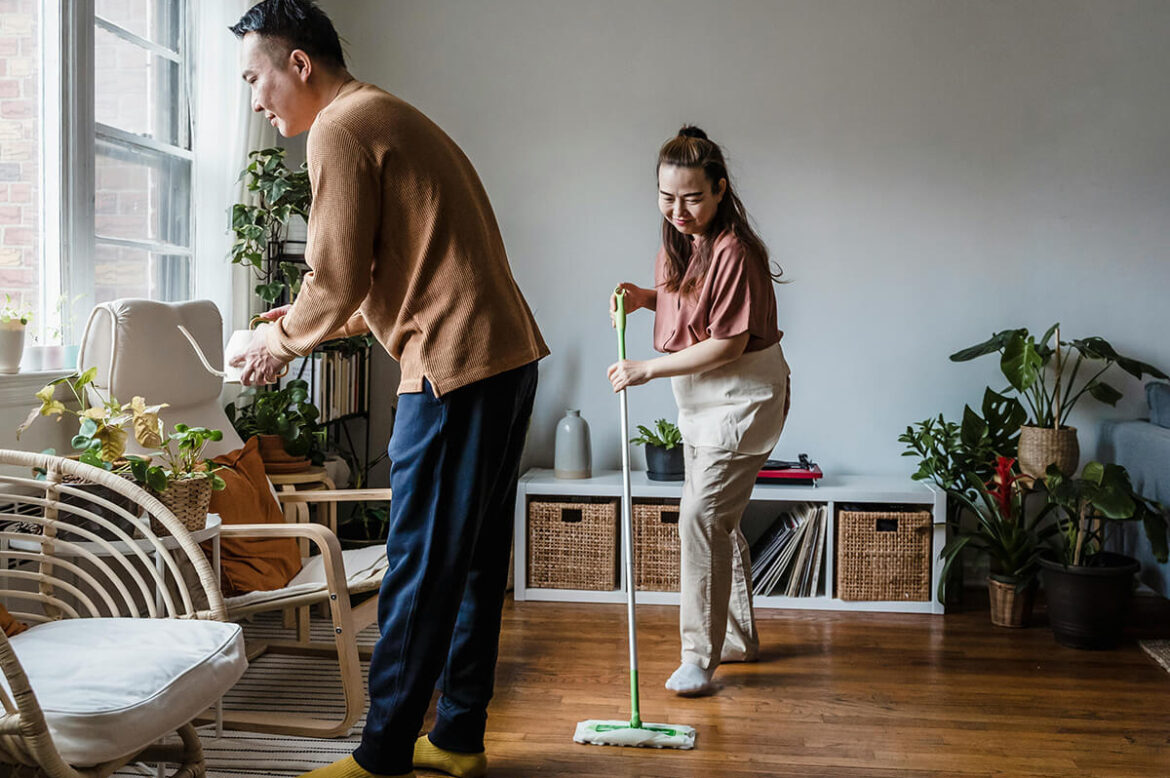
Winter can be exceptionally harsh on interior floors. Between the abrasive salt tracked in from snowy sidewalks, the slush and moisture carried on winter boots, and the dry indoor heating that pulls moisture from the air, your floors endure a seasonal stress test.
Spring is the perfect opportunity to hit the reset button, deep clean the surfaces, and assess whether any maintenance is needed to preserve their longevity.
However, cleaning these surfaces is not quite as simple as grabbing the nearest mop and bucket. Wood is a natural, porous material that reacts to its environment, chemicals, and the amount of water it is exposed to. Using the wrong techniques or the wrong chemical agents can lead to irreversible damage, stripping away protective finishes, causing the boards to warp, or leaving behind an unsightly, cloudy residue.
To ensure your home looks its absolute best this season, follow best practices. Here are 10 must-remember dos and don’ts for spring cleaning a home with hardwood floors.
The 5 Essential “Dos” for Spring Cleaning Your Floors
1. Do Use a Vacuum With a Bare Floor Setting
If you attempt to mop before thoroughly removing dry particles (loose dirt, dust, and abrasive debris), you will effectively turn your mop head into a piece of wet sandpaper, dragging those sharp edges across your protective polyurethane finish and creating thousands of micro-scratches.
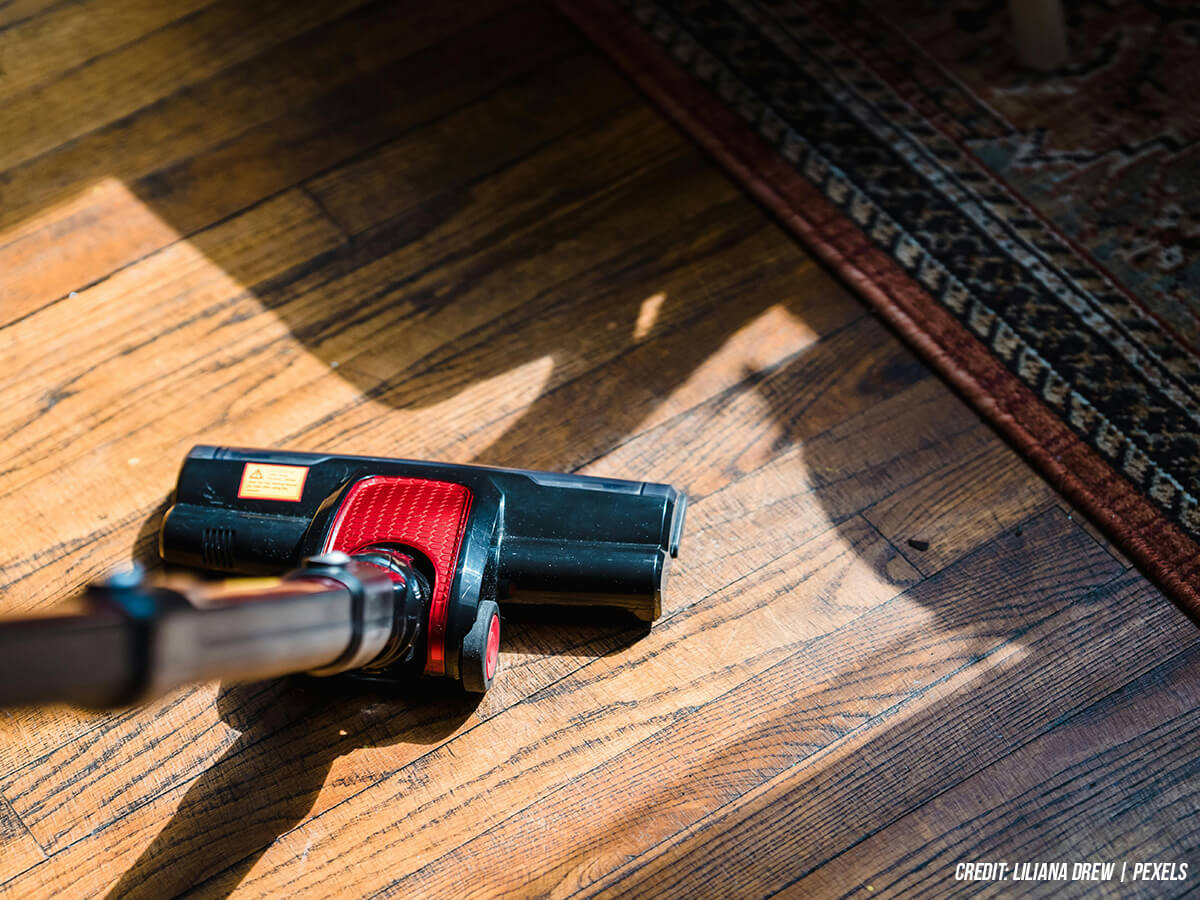
To prevent this, begin by thoroughly vacuuming the entire area. However, you must use a vacuum cleaner specifically designed for bare floors, or one that allows you to disengage the rotating beater bar. A spinning bristle brush is fantastic for agitating carpet fibres, but it will aggressively beat against a flat, hard surface, potentially denting the wood and whipping dirt around rather than suctioning it up. Opt for a soft-bristled floor brush attachment to safely and effectively extract dust from the tight seams between the boards.
2. Do Invest in a High-Quality Microfiber Mop
Step away from traditional sponge mops or heavy, stringy cotton mops. These outdated tools are notorious for holding onto excessive amounts of water and distributing it unevenly across the floor. Instead, your best line of defense is a high-quality microfiber flat mop.
Microfiber technology is exceptionally well-suited for this task because the microscopic synthetic fibers create a static electric charge that actively attracts and traps dust, pet hair, and household allergens rather than simply pushing them around. Furthermore, microfiber pads require significantly less liquid to clean effectively. When damp-mopping, you can mist your cleaner directly onto the pad or lightly spray it onto the floor, ensuring that the surface receives just enough moisture to lift away grime without ever leaving standing water behind. Best of all, microfiber pads are machine washable, making them an eco-friendly and sanitary choice for your deep-cleaning days.
3. Do Utilize a pH-Neutral, Wood-Specific Cleaner
Heavy-duty household cleaners often contain high levels of alkalinity or harsh detergents designed to cut through thick kitchen grease or bathroom soap scum. When applied to a wood finish, these heavy chemicals can rapidly degrade the protective topcoat, leaving the floor looking dull, hazy, and vulnerable to future damage.
Instead, you must strictly use a pH-neutral cleaner that is specifically formulated for urethane-finished wood. These specialized solutions are designed to gently lift dirt, oily footprints, and smudges without compromising the chemical integrity of the floor’s seal. When applying the cleaner, use it sparingly. A light mist is all that is required to achieve a brilliant, streak-free shine.
4. Do Refresh and Replace Furniture Protectors
Spring cleaning is about more than just removing dirt; it is also about preventative maintenance and protecting your home for the year ahead. As you move your sofas, armchairs, dining tables, and bookshelves to clean beneath them, take a few extra minutes to inspect the protective pads attached to their legs.
Felt floor protectors are your first line of defense against deep gouges and accidental scratches caused by shifting furniture. However, these pads wear down over time. They compress, lose their softness, and frequently accumulate hard, abrasive particles of dirt embedded within the felt itself. A heavily worn felt pad can actually cause the very scratches it was designed to prevent. Make it an annual spring cleaning habit to peel off old, compacted felt pads and replace them with fresh, thick protectors. Pay special attention to heavy items that are moved frequently, such as dining room chairs and barstools.
5. Do Manage Your Indoor Climate and Humidity
Because wood is a hygroscopic material, it constantly absorbs and releases moisture in response to the surrounding air. During the dry winter months, artificial heating causes wood to shrink, often leading to visible gaps between the floorboards. As spring arrives and humidity levels naturally begin to rise, the wood will absorb that ambient moisture and expand, closing those winter gaps.
To keep your floors structurally sound and prevent extreme expansion or contraction, strive to maintain a consistent indoor relative humidity level between 35% and 55%, alongside a steady temperature of around 60 to 80 degrees Fahrenheit.
As the spring weather fluctuates wildly from cool and dry to warm and rainy, utilizing your HVAC system, humidifiers, or dehumidifiers will help stabilize the environment, preventing your floorboards from cupping, crowning, or cracking.
The 5 Crucial “Don’ts” of Spring Cleaning Your Floors
1. Don’t Ever Fall for the Vinegar and Water Myth
This is arguably the most pervasive and damaging myth in the world of home maintenance. You must absolutely never use vinegar to clean your wood surfaces.
Vinegar is highly acidic (acetic acid). While it is an excellent natural cleaner for glass windows or ceramic bathroom tiles, that same acid is corrosive to the polyurethane finish that protects your wood. Every time you mop with a vinegar solution, you are microscopically eating away at the floor’s protective topcoat.
Over a surprisingly short period, the finish will become etched, cloudy, and irreversibly dull. Once the finish is compromised by acid, the raw wood underneath is left completely unprotected against moisture and stains, ultimately requiring a highly expensive professional sanding and refinishing job to repair.
2. Don’t Saturate the Surface with Water
Water is the natural enemy of wood. While a very lightly damp mop is perfectly acceptable, you must never allow standing water to pool on the surface of your floors. Traditional string mops and mop buckets inevitably lead to overwetting.
When excess water is applied, it easily finds its way into the tiny, microscopic seams between the individual floorboards. Through capillary action, the water is drawn down into the raw, unfinished sides and bottom of the wood. As the wood absorbs this excess liquid, it will begin to swell rapidly. This leads to a condition known as “cupping,” where the edges of the boards raise higher than the center, creating a wavy, washboard effect across your entire room. If you accidentally spill your mop bucket during your spring cleaning frenzy, drop your tools and immediately dry the area thoroughly with clean, absorbent towels.
3. Don’t Use Steam Mops or Steam Cleaners
While steam mops are brilliant for porcelain tile or sealed concrete, they are an absolute disaster for wood flooring.
A steam mop operates by forcing intense heat and highly concentrated moisture directly onto the floor. This combination is devastating to both the finish and the timber itself. The extreme heat can literally melt or cloud the polyurethane topcoat, causing it to peel away from the wood. Furthermore, the pressurized vapor is forcefully injected into the joints and grain of the wood, introducing deep moisture that can cause immediate and severe warping, buckling, and even the growth of mold beneath the surface. Regardless of what the manufacturer’s packaging might claim, steam cleaners should never be used on any type of wood floor.
4. Don’t Apply Waxes, Polishes, or Oil Soaps to Polyurethane
Surface-sealed floors do not require waxing. When you apply wax or oil soaps to a polyurethane finish, the product cannot penetrate the wood; instead, it simply sits on top, creating a sticky, hazy film. This residue acts like a magnet for dirt, trapping dust and causing footprints and smudges to appear instantly. Worse yet, if your floor ever needs a maintenance recoat in the future, the new finish will not adhere to the waxy residue, meaning the floor will have to be completely sanded down to bare wood. Stick to cleaning, not polishing.
5. Don’t Overlook Your Entryways and Mats
As you diligently clean the interior of your home, do not neglect the areas where dirt comes from—outside, where 60% of household dirt originates.
Failing to utilize high-quality entry mats is a major spring cleaning oversight. You should have a two-part system: a heavy-duty, abrasive mat outside the door to scrape off thick mud and debris, and a softer, absorbent mat inside the door to capture lingering moisture and finer dust particles. Ensure that your interior mats do not have solid rubber or latex backings, as these materials can trap condensation against the floor or cause a chemical reaction that permanently discolours the wood underneath. Opt for breathable, colorfast mats to keep your entryways clean and your floors safe.
Setting the Stage for a Beautiful Year
Spring cleaning is a labour of love that rewards you with a living space that feels fresh, healthy, and revitalized. When you are investing in a beautiful hardwood floor, it pays to protect it by understanding the unique science of wood care and strictly adhering to these fundamental dos and don’ts. By utilizing the correct tools, avoiding harsh chemicals and excessive moisture, and performing simple preventative maintenance like swapping out furniture pads, you can ensure your home’s most striking architectural feature remains flawless. For expert advice, installation, or refinishing services, contact Capital Hardwood Flooring at 416-536-2200 or reach out via email at [email protected].