

The holiday hosting marathon is nearing the finish line. You have managed the family dinners and the December chaos, but as you prepare for your New Year’s Eve guests, a glance downward might reveal the toll taken on your home. Winter boots, dropped toys, and sliding chairs have likely left their mark. While tile might shrug this off, your engineered flooring possesses an elegance that requires specific attention.
Those scuffs and dull spots do not have to be permanent party decor. Before you pop the champagne, there are effective strategies to revive your floors. Restoring that welcoming glow often comes down to targeted care and understanding the material under your feet.
Why Does Engineered Flooring Require Specific Care?
To refresh your floors, you must understand their anatomy. Engineered hardwood is not a synthetic imitation; it is a real wood veneer bonded to a stable core. This construction provides authentic beauty that artificial alternatives cannot replicate. However, that top layer is organic timber, susceptible to the same indentation and abrasion as solid wood.
When a scuff appears on synthetic floors, it is often just residue on a plastic wear layer. On engineered flooring, it could be residue, a depression in the fibres, or a micro-scratch in the finish. Since you are dealing with natural material, harsh abrasives or steam cleaners are off-limits; they would spell disaster for the wood. The approach must be gentle, focusing on lifting the mark without damaging the protective finish.
What is the Critical First Step Before Treating Scuffs?
Before attempting to buff out a scuff, you must ensure the floor is impeccably clean. Rubbing a mark on an un-prepped floor is the fastest way to create new scratches. In a Canadian winter, this is doubly important because the “dirt” is likely microscopic salt crystals and silica grit tracked in from the street. Applying friction to a scuff while salt is present is effectively sanding your floor with corrosive minerals.
The Cleaning Protocol:

- Vacuum First: Begin with a thorough vacuuming using a soft-bristled attachment. Avoid the beater bar, as bristles can whip debris against the finish.
- Neutralize the Salt: Use a microfibre mop dampened with a pH-neutral cleaner formulated for wood. This removes the winter salt film and reveals which marks are superficial scuffs versus actual scratches.
- Dry Immediately: Engineered wood handles humidity well, but standing water is an enemy. Ensure the floor dries quickly.
How Can I Safely Remove Surface Scuffs?
Many black heel marks or rubber scuffs are not damage, but material transfer. The object that hit the floor left a piece of itself behind. The goal is to create enough friction to lift this residue without abrading the finish.
The Tennis Ball Method: This classic technique works remarkably well on surface transfer. Take a clean, dry tennis ball. Cut a small “X” in the top and place it on a broom handle. Rub the scuff vigorously with the ball. The felt texture and friction heat act like a gentle eraser, lifting the residue without scratching.
The Microfibre Technique: For lighter scuffs, a dry microfibre cloth and elbow grease are often sufficient. Loop the cloth around your finger and rub the spot in a circular motion. Avoid kitchen scrubbing pads, as these will leave dull spots that are difficult to fix.
The Eraser Trick: A clean pencil eraser can sometimes lift marks a cloth leaves behind. However, be cautious with “magic” cleaning erasers made of melamine foam. These are essentially microscopic sandpaper blocks. While they remove scuffs, they function by sanding down the finish, often leaving a shiny or matte spot. Always test this in an inconspicuous area first.
What is the Best Way to Conceal Minor Scratches?
If the mark remains after cleaning, you are likely dealing with a scratch that has penetrated the finish. For a quick pre-party fix, concealment is the priority.
Stain Markers: These pens contain wood stain and are excellent for scratches revealing lighter wood fibres. Start with a marker lighter than your floor; you can build up colour, but you cannot make it lighter once applied. Dab the marker onto the scratch and immediately wipe away excess from the surrounding finish.
Wax Filler Sticks: For scratches with depth (where you can feel a groove) colour isn’t enough. The groove catches light, casting a shadow that highlights damage.
- Select a wax stick matching your medium wood tone.
- Rub the wax stick across the scratch until slightly overfilled.
- Buff the surface level with a plastic card or soft cloth.
- This prevents dirt accumulation and stops light from catching the edges, making the damage nearly invisible.
How Does Construction Impact Surface Resilience?
Sometimes, issues like fine cracks or “checking” are inherent to the floor’s structural reaction to the environment, not guest damage. Understanding this distinction is vital because cleaning will not solve structural checking.
The stability of your engineered floor relies on its manufacture. According to a study, optimizing top-layer thickness and core construction in engineered wood flooring can reduce surface-checking, with a low sliced lamella thickness on standard solid wood lamellae cores yielding the best results (Grubîi et al., 2023). This indicates that the ratio of the top veneer to the core plays a significant role in how wood stresses under pressure.
If you notice hairline cracks running with the grain, this is likely checking caused by dry winter air. The remedy is environmental control. Ensuring your home’s humidity remains between 35% and 55% is the only way to prevent this.
When Should I Consider a Professional Screen and Recoat?
If floors look generally dull or covered in micro-scratches, spot fixing might not suffice. However, sanding to raw wood is too invasive right before a party.
A professional “screen and recoat” is the ideal solution. This involves lightly abrading the top layer of the existing finish to remove surface scratches. Once “screened,” a fresh coat of high-quality finish is applied.
The Advantages of Recoating:
- Speed: Often completed in a single day.
- No Dust: Generates minimal dust compared to sanding.
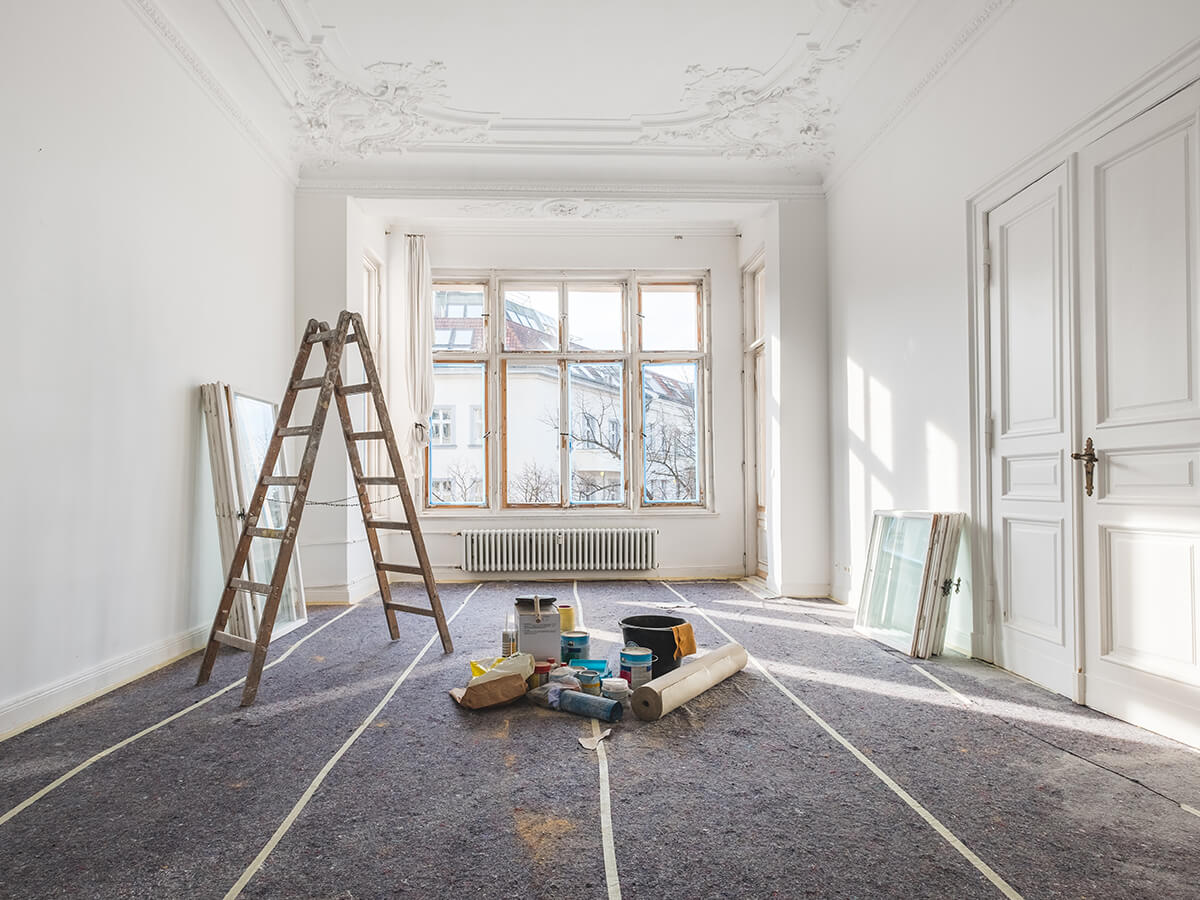
- Restoration: Restores uniform sheen and covers traffic patterns. With modern water-based finishes, the floor can often be walked on within hours, making it viable reasonably close to a big event.
- Preserves the Veneer: Unlike full sanding, which strips away a layer of wood, screening only abrades the finish. This is critical for engineered floors, preserving the thickness of the precious top veneer.
- Cost-Effective: Because it is less labor-intensive and requires fewer materials than a full refinish, it delivers a “like-new” look at a fraction of the cost.
How Can I Protect My Floors During the Celebration?
You have refreshed the floors; now ensure they survive the night. Prevention is far more effective than repair when hosting.
The “No Shoes” Policy: In Canada, removing shoes is standard, but guests in formal wear might hesitate. Make it easy. Provide a designated area for boots with a high-quality absorbent mat. Offering a basket of inexpensive slippers can encourage guests to ditch the heels comfortably.
Strategic Mat Placement: Salt and melting slush are the primary enemies of wood flooring in Toronto during winter. Use a “defence in depth” strategy: a coarse exterior mat to scrape snow, followed by an absorbent interior runner to capture moisture and salt brine.
Check Your Furniture: Turn over every dining chair and inspect the legs. If a felt pad is missing or worn, replace it immediately. When guests slide back from the table, you want them gliding on clean felt, not grinding wood against wood.
Area Rugs in High-Traffic Zones: Place a stylish rug or runner in the hallway or in front of the bar. These “landing zones” see the most traffic and spills. A rug acts as a shield, taking the brunt of the impact.
Prepare a ‘Rapid Response’ Kit: Spills are inevitable. Keep a clean microfibre cloth and pH-neutral cleaner accessible in the party area. Immediate action is crucial to prevent liquids from staining the veneer or seeping into seams before you can fetch supplies from the kitchen.
What About Deep Gouges and Gray Spots?
If you see gray or black areas in high-traffic zones, the finish has worn through, and water is oxidizing the wood. Applying polish over this will look patchy. Similarly, deep gouges cutting through to the core cannot be sanded out; they often require plank replacement.
Professionals have access to bonding agents and specialized techniques to replace individual boards. Attempting complex repairs on your own often leads to visible patches. A professional touch ensures consistency in sheen and color.
Ring in the New Year with Flawless Style
Your home is the backdrop for your life’s celebratory moments. Don’t let scuffs distract from your New Year’s Eve gathering. By taking these targeted steps to clean, conceal, and protect, you can restore your engineered hardwood’s character. However, for deep cleaning or addressing significant wear, trusting an expert ensures long-term protection.
For homeowners looking to upgrade or maintain their premium surfaces, including the finest options for engineered flooring in Toronto, connect with the specialists at Capital Hardwood Flooring at (416) 536-2200. Start the year with confidence and style underfoot.