
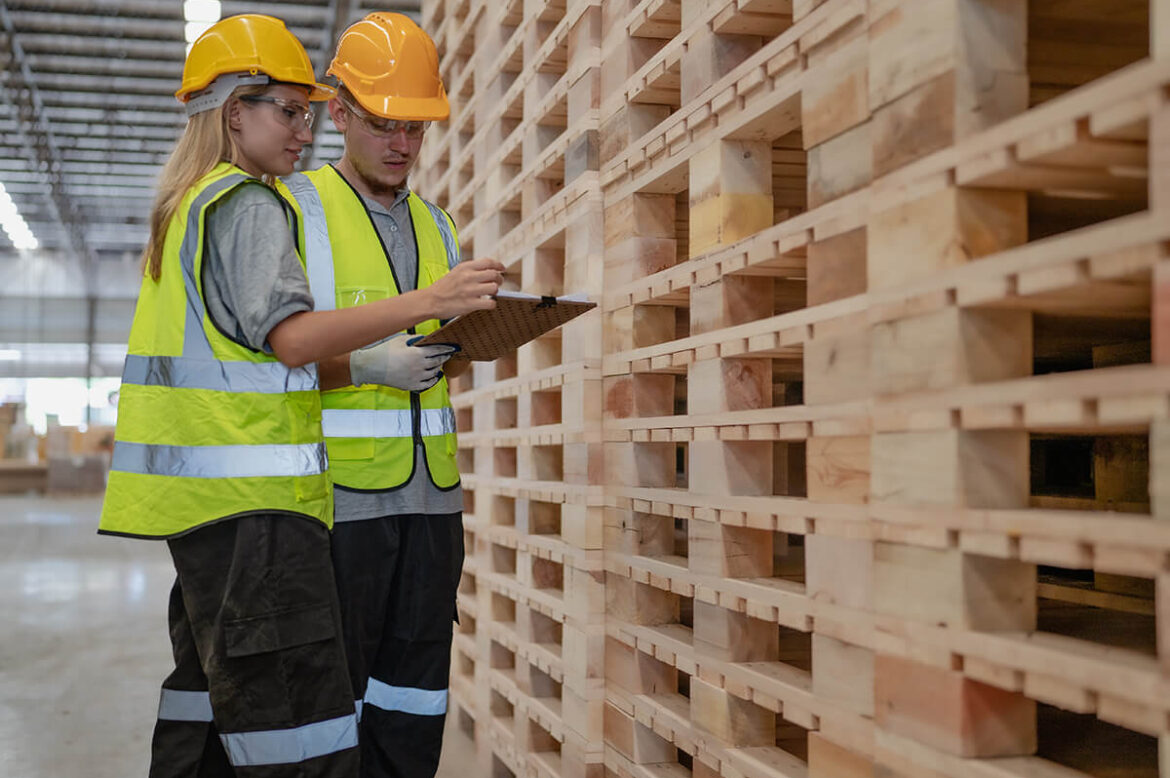
Imagine a floor that radiates natural warmth yet withstands July’s humidity and January’s deep freeze without buckling. While solid timber offers this aesthetic, it is temperamental. Engineered hardwood flooring is the evolution; real wood re-engineered for superior stability. It allows for wider planks in spaces where solid wood would fail, making it the robust gold standard for modern home design.
What Exactly is Engineered Hardwood Flooring?
Contrary to common misconceptions, engineered hardwood flooring is 100% real wood, not a synthetic imitation. Its superior stability stems from its construction: a premium hardwood wear layer (lamella) on top (providing the visual and tactile experience of solid wood) bonded to a robust multi-ply core.
Unlike a single piece of solid wood that volatilely reacts to moisture, this layered design mechanically reinforces the plank, creating a composite strength that resists environmental stress.
How Does Cross-Lamination Create Superior Stability?
Wood moves because it is hygroscopic, constantly absorbing and releasing moisture to reach equilibrium. It swells when wet and shrinks when dry. Crucially, this expansion occurs significantly across the plank’s width (across the grain) rather than its length, creating the physical forces that cause warping.
Engineered flooring neutralizes this movement through a process called cross-lamination.
- The Concept: In the core of an engineered plank, each layer of plywood is stacked with its grain running at a 90-degree angle to the layer above and below it.
- The Physics: When the top layer wants to expand due to humidity, the layer underneath it (running perpendicularly) resists that movement.
- The Result: The layers lock each other in place. The natural tendency of the wood to move is physically restricted by the opposing grain directions of the core layers.
This “push-pull” dynamic creates a state of tension that results in a dimensionally stable board. While a solid plank is free to expand as much as its fibres dictate, an engineered plank is mechanically restrained; remaining flat and true even when environmental conditions fluctuate.
Why Can Engineered Planks Be Wider Than Solid Wood?
A visible benefit of this stability is plank width. Solid hardwood is generally limited to 10 to 13 centimetres; exceeding this drastically increases the risk of “cupping” (edges rising) as the larger surface area reacts to moisture.
With the cross-laminated core described above, engineered floors defy this limitation.
- Dimensional Freedom: Manufacturers can produce engineered planks that are 180, 230, or even 305 millimetres wide.
- Aesthetic Impact: These wide planks minimize the number of seams in a room, creating a cleaner, more expansive look that makes spaces feel larger and more modern.
- Structural Integrity: Even at these impressive widths, the cross-ply core prevents the cupping that would be inevitable with solid lumber of the same size.
For homeowners seeking that luxurious, wide-plank aesthetic often found in high-end wood flooring in Toronto condos and estates, engineered products are often the only viable technical solution.
What Role Does the Core Material Play?
Not all engineered floors are created equal, and the material used in the core is just as important as the mechanism of cross-lamination. The stability of the floor relies on the quality of the substrate.
Plywood Cores: The industry standard for high-quality engineered floors is a core made from Baltic Birch plywood. Birch is a hardwood itself, known for its density and screw-holding capability. A multi-ply birch core (often 9 to 11 layers) offers the highest level of stability.
Softwood Cores: Some engineered floors use softer woods like pine or poplar for the core layers. While these can be stable, they are generally less dense than birch and may not offer the same resistance to indentation.
New Innovations: The industry continually innovates materials to maximize performance. According to a study, plantation hardwoods show significant improvements in structural efficiency, global warming potential, and fire performance compared to typical softwood varieties in residential long-span engineered floor products (Nero et al., 2024). This supports a shift toward using dense, fast-growing plantation hardwood cores, which enhances both mechanical stability and the floor’s environmental profile.
Why Is This Stability Critical for Canadian Homes?
In more temperate climates, the difference between solid and engineered wood might be less obvious. In Canada, it is critical. We live in a climate of extremes.

- The Humid Summer: During July and August, relative humidity levels can spike. A floor that is not stable will absorb this moisture and swell. In solid wood, this pressure can be so intense that boards push against each other, causing “peaking” at the seams.
- The Dry Winter: The real test comes in February. When we crank up our furnaces to combat -20°C temperatures, the indoor relative humidity plummets, often dropping below 20%. This effectively sucks the moisture out of the wood. Solid wood will shrink significantly, leaving unsightly gaps between every board that fill with dust and debris.
While still natural wood, engineered hardwood’s cross-laminated core drastically minimizes reaction to climate. This structure limits shrinkage and expansion; ensuring floors remain flat in humid summers and virtually gap-free in dry winters. For Canadian homes, this stability is a functional necessity, not a luxury.
Can Engineered Hardwood Be Installed in Basements?
The ultimate test of a wood floor’s stability is the basement. Basements are “below grade,” meaning they are surrounded by earth. This environment presents specific challenges:
- Concrete Moisture: Concrete slabs act as sponges, wicking moisture from the ground. Even a dry-looking basement slab has higher moisture content than a plywood subfloor on a second story.
- Temperature Variations: Basements are naturally cooler, which can lead to condensation issues if not managed properly.
Solid hardwood is rarely recommended for basements due to severe moisture risks. Engineered hardwood, designed for stability, solves this challenge. It can be safely installed over concrete (with a moisture barrier), bringing the warmth of real wood to below-grade spaces previously limited to carpet or vinyl.
How Does Stability Impact Installation Options?
The rigidity and structural integrity of engineered hardwood open up installation methods that are unavailable or risky with solid wood. This flexibility is a direct result of the floor’s stability.
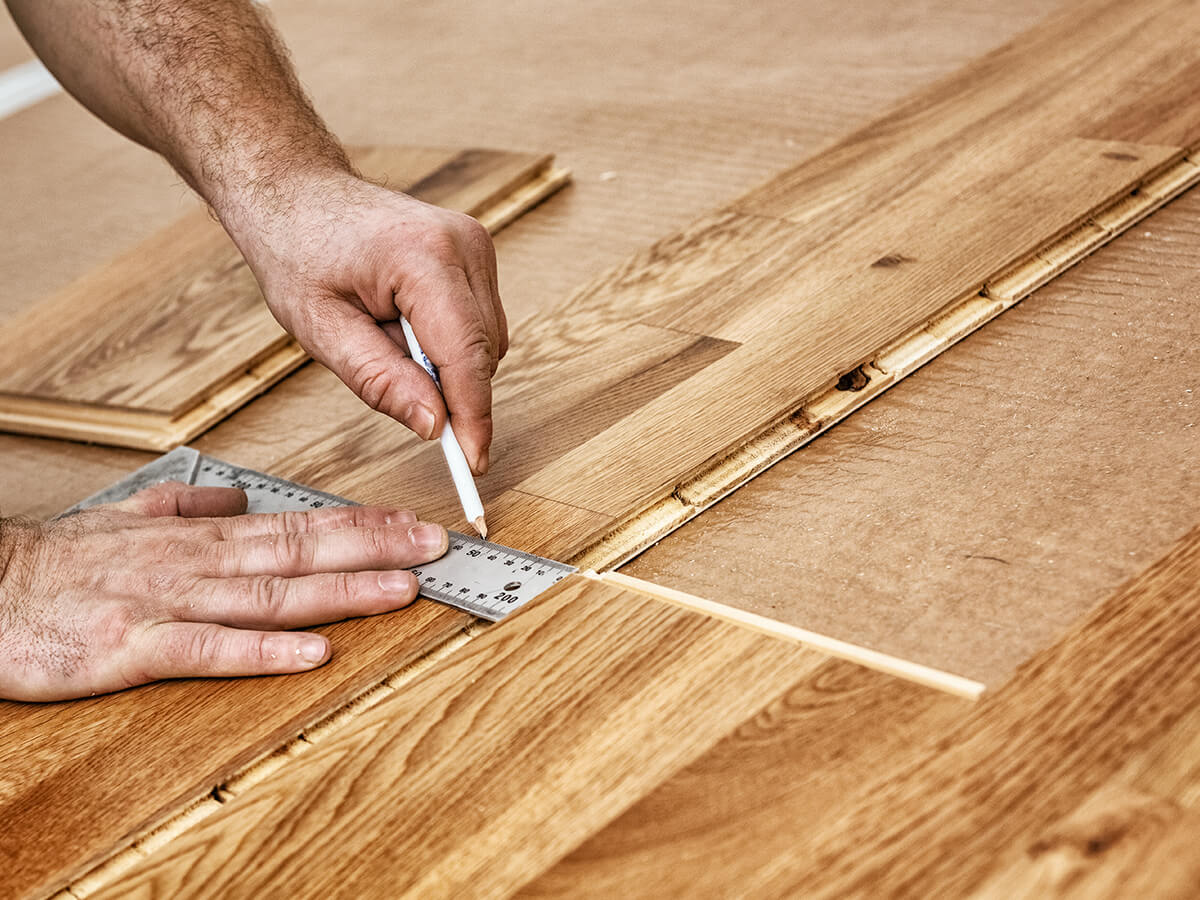
Floating Installations: Since the planks are so stable, they can be clicked or glued together at the tongue and groove and “floated” over the subfloor without being nailed down. The weight of the floor holds it in place. This is often the preferred method for condos or over radiant heating systems.
Radiant Heating Compatibility: Radiant heating applies direct, concentrated heat that causes solid wood to dry, cup, and crack. Engineered hardwood’s multi-ply core disperses this heat evenly, resisting warping forces and making it the premier choice for radiant heated homes.
Does the Wear Layer Thickness Matter for Stability?
While the core does the heavy lifting regarding structural stability, the top layer (the wear layer) plays a role in the floor’s overall balance.
The wear layer must be balanced with the core. If the top layer is too thick and the core is too thin, the top layer might overpower the core’s resistance, leading to movement. Conversely, a high-quality engineered plank finds the perfect ratio.
The “Sawn” vs. “Rotary Peeled” Difference:
- Rotary Peeled: Some manufacturers peel the log like an apple to create the veneer. This can create a grain pattern that wants to uncurl, creating internal stress.
- Dry Sawn: High-end engineered floors use “dry sawn” lamellas. The wood is cut from the log just like solid lumber. This allows the grain to remain in its natural, relaxed state, further contributing to the dimensional stability of the plank.
When shopping, looking for a dry-sawn wear layer of 3mm to 4mm ensures you are getting a product that looks identical to solid wood and behaves with maximum stability.
What About Acclimatization?
A common question is whether the superior stability of engineered wood means you can skip the acclimatization process. The answer is no, but the process is faster and more forgiving.
Even though engineered wood is stable, it is not inert. It still needs to adjust to the specific temperature and humidity of your home before installation.
However, where solid wood might need weeks to properly acclimatize, engineered hardwood often only requires 48 to 72 hours. This efficiency keeps renovation projects on schedule without sacrificing the long-term integrity of the installation. It is a forgiving material that works with your timeline, not against it.
Is Stability Connected to Environmental Sustainability?
Stability and sustainability are linked in the world of engineered floors. Since the core is constructed from fast-growing species (like birch or plantation hardwoods) and the slow-growing, precious hardwoods (like Oak or Walnut) are reserved only for the top layer, the yield from a single tree is significantly higher.
- Resource Efficiency: One oak tree can produce approximately four times the square footage of engineered flooring compared to solid flooring.
- Longevity: Since the floor is stable and does not gap or buckle, it lasts longer. A floor that does not fail is the most sustainable floor of all.
Build a Foundation that Lasts a Lifetime
Stability is your home’s silent hero, ensuring your floors remain flat and valuable through decades of Canadian seasons. Engineered hardwood solves the age-old problem of wood movement by marrying natural beauty with industrial ingenuity. It is the smart choice for the modern home.
For the finest, most reliable engineered hardwood flooring in Toronto, connect with Capital Hardwood Flooring at (416) 536-2200. Start your renovation with a foundation you can trust.